How To Manage Humidity In Pool Enclosures With Mechanical Dehumidification
Controlling atmospheric moisture inside residential swimming pool structures requires examining mechanical dehumidification, thermal-break framing, and continuous air circulation dynamics. Homeowners and architectural engineers investigating how to manage humidity in pool enclosures must navigate dew point calculations, condensation risks, and aggressive chemical vapor degradation. Developing comprehensive climate control plans involves balancing evaporation rates against energy consumption and structural preservation.
Establishing an effective moisture mitigation strategy demands evaluating water surface temperatures, ambient air temperatures, and enclosure glazing insulation values before system installation. Relying solely on passive roof vents for a large indoor aquatic pavilion invites severe structural corrosion and mold growth. Proactive engineering oversight ensures that mechanical systems extract moisture efficiently while maintaining comfortable indoor air quality.
Executing a successful climate control project utilizes industrial refrigeration dehumidifiers, automated exhaust dampers, and corrosion-resistant ductwork. Comprehensive planning transforms damp, moisture-laden pool rooms into comfortable, long-term architectural environments.
This analytical guide examines moisture control categories, thermodynamic engineering frameworks, financial budgeting strategies, and long-term maintenance protocols. Mastering these technical principles enables property owners to achieve uncompromising structural safety and atmospheric stability.
Understanding “How To Manage Humidity In Pool Enclosures” Structural Criteria
Thermodynamic Evaporation Rates and Dew Point Dynamics
Executing evaluations when facility managers study how to manage humidity in pool enclosures requires analyzing how water temperature differentials dictate continuous evaporation volume. Warm pool water exposed to cooler enclosure air accelerates vapor release, driving relative humidity past critical structural thresholds. Implementing precise dew point calculations prevents water vapor from condensing on cold aluminum framing.
Vapor Barrier Integrity and Thermal Bridging Prevention
Assessing how multi-wall polycarbonate panels and insulated glazing units prevent thermal bridging explains why material specification dictates overall moisture containment. Uninsulated metal frames conduct cold outdoor air directly inward, creating localized condensation zones. Specifying continuous vapor barriers guarantees long-term structural integrity.
Deep Contextual Background
Historical Evolution of Indoor Aquatic Climate Control
For decades, early indoor swimming pool facilities relied on rudimentary open windows and noisy exhaust fans that failed to control winter condensation. Early builders lacked sophisticated psychrometric data, resulting in chronic mold infestation and rusted structural steel. Modern engineering innovations introduced dedicated refrigeration dehumidifiers that revolutionized indoor air management.
Transition from Simple Exhaust Fans to Closed-Loop Dehumidification
Engineering advancements propelled the transition from basic wall-mounted exhaust fans to closed-loop commercial dehumidification systems distributed nationwide. Modern manufacturing protocols integrate heat recovery technology to recycle latent evaporation energy back into pool water heating. Adopting certified climate control systems ensures maximum energy efficiency and regulatory compliance.
Conceptual Frameworks and Mental Models
The Psychrometric Enclosure Equilibrium Model
Analyzing how air temperature, relative humidity, and dew point interact helps identify critical moisture thresholds that cause structural degradation. When warm moist air hits uninsulated glazing, immediate condensation forms. Tracing complete psychrometric balance points across architectural blueprints eliminates hidden humidity traps.
The Condensation Nucleation and Surface Temperature Framework
Evaluating how cold outdoor air transfers through metal framing highlights the need for dedicated thermal-break engineering. Overcoming interior surface condensation requires maintaining framing temperatures above the ambient dew point. Designing for thermal isolation preserves structural components across decades of operation.
Key Categories of Moisture Control Systems
Commercial Refrigeration Dehumidification Units
Constructing mechanical refrigeration systems provides robust moisture extraction by pulling damp air across chilled evaporator coils. Refrigeration units remove water vapor continuously while returning dry, warmed air to the pool room. These systems rely on specialized corrosion-resistant internal copper coils.
Automated Exhaust Ventilation Dampers
Erecting automated louvered damper systems expels moisture-laden air directly outdoors when relative humidity exceeds programmed setpoints. Exhaust dampers work effectively during mild weather seasons when outdoor dew points remain low. Such installations require precise pressure differential balancing.
Heat Pump Pool Water Heaters with Heat Recovery
Installing integrated heat recovery dehumidifiers captures latent heat from evaporated pool water and redirects thermal energy back into the swimming pool. Heat recovery units lower operating expenses significantly while controlling indoor humidity. These systems represent peak energy efficiency engineering.
Dedicated Ductless Wall-Mounted Dehumidifiers
Building localized wall-mounted dehumidification units offers targeted moisture removal for smaller residential greenhouse or spa enclosures. Wall units operate independently without requiring complex ceiling ductwork networks. These systems require accessible condensate drain lines.
Solar-Assisted Ventilation and Air Exchange
Erecting solar-powered intake and exhaust arrays utilizes renewable energy to drive continuous air movement through screened pool enclosures. Solar ventilation systems reduce operational electricity consumption during sunny daylight hours. Precision engineering ensures smooth airflow across all enclosure bays.
Integrated HVAC and Air Distribution Networks
Installing comprehensive central HVAC systems combines specialized pool-room air handlers with corrosion-resistant ductwork to maintain uniform humidity. Integrated networks prevent stagnant air pockets and condensation accumulation. These expansive systems serve as central climate management hubs.
Comparative Moisture Control System Analysis
Evaluating humidity management categories highlights critical trade-offs in moisture extraction capacity, energy efficiency, and initial capital investment requirements.
| Moisture Control Category | Extraction Capacity | Energy Efficiency | Initial Capital Outlay | Maintenance Demand |
| Commercial Refrigeration Unit | Exceptional | Moderate | High | Moderate |
| Automated Exhaust Dampers | Moderate | High | Low | Low |
| Heat Recovery Dehumidifier | Exceptional | Exceptional | Exceptional | Moderate |
| Ductless Wall-Mounted Unit | Low to Moderate | Moderate | Moderate | Low to Moderate |
| Integrated HVAC Air Network | High | Moderate to High | High | Moderate |
Systematic Selection Logic for Property Owners
Selecting the optimal moisture control variation requires following a logical decision sequence based on regional climate and enclosure design:
-
Evaluate Enclosure Glazing and Insulation Level:
-
Specify commercial refrigeration or heat recovery dehumidifiers for fully sealed, glass-enclosed indoor pool rooms.
-
Select automated exhaust dampers for semi-open screen enclosures in temperate climates.
-
-
Determine Energy Efficiency and Budget Goals:
-
Choose heat-recovery dehumidifiers for maximum long-term utility cost reduction.
-
Opt for ductless wall units for smaller retrofit enclosure projects.
-
Detailed Real-World Scenarios How To Manage Humidity In Pool Enclosures
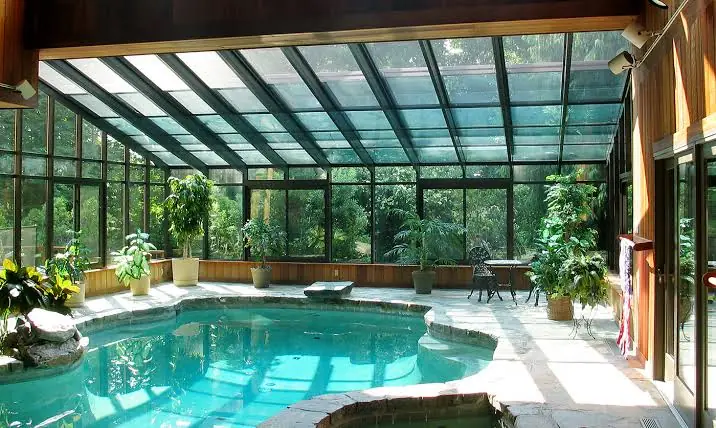
Scenario A: Indoor Glass Solarium Pool with Chronic Condensation
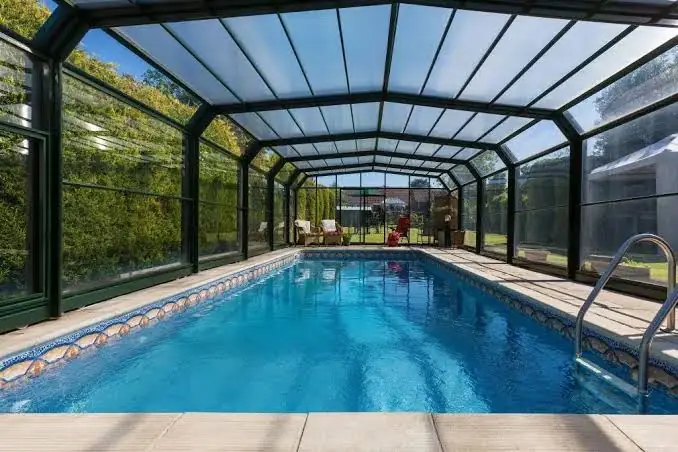
A residential glass solarium pool room experiences heavy winter condensation that pools on window sills and rots adjacent woodwork. Standard exhaust fans fail to resolve the moisture load. The architectural team installs a commercial refrigeration dehumidifier with dedicated overhead supply ducts directed across the glass panes.
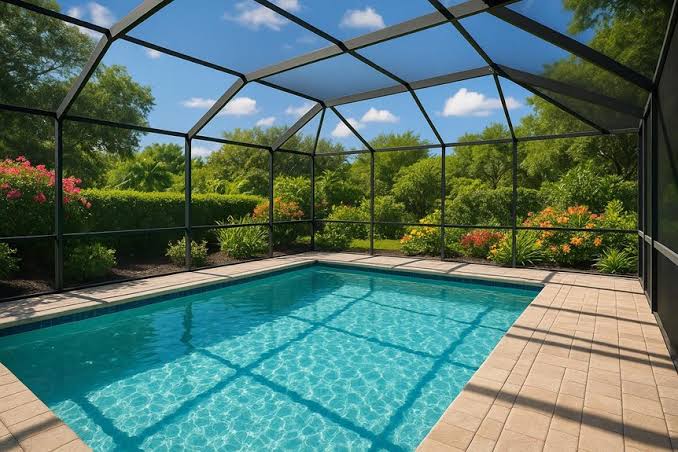
Scenario B: Subtropical Screen Enclosure with High Humidity
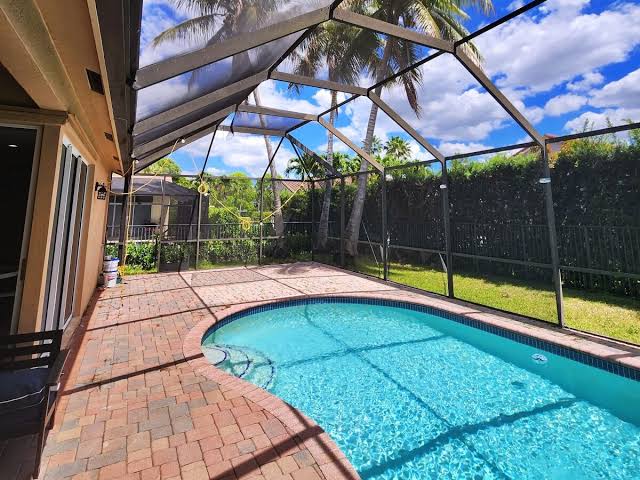
A subtropical property features an open-mesh screen pool enclosure surrounded by dense vegetation and high ambient humidity. Mechanical refrigeration units prove inefficient in open structures. The contractor installs automated louvered exhaust fans linked to a digital humidistat that triggers high-speed air exchange during peak evaporation hours.
Scenario C: Mountain Indoor Pool Requiring Heat Recovery
A mountain estate indoor pool requires rigorous humidity control combined with efficient water heating during sub-zero winter months. The design utilizes a commercial heat-recovery dehumidifier that extracts moisture while transferring latent heat directly into the swimming pool plumbing. The new system lowers annual heating bills significantly.
Financial Dynamics, Cost, and Resource Planning
Budgeting for moisture control acquisition requires balancing initial equipment outlays against long-term operational energy savings.
| Budget Allocation Category | Share Percentage | Primary Cost Drivers | Cost Control Strategy |
| Engineering & Psychrometric Design | 10% – 15% | Dew Point Analysis, Load Calculation | Partner with certified HVAC engineers. |
| Dehumidification Equipment | 40% – 50% | Compressor Capacity, Heat Recovery | Size equipment strictly to pool surface area. |
| Corrosion-Resistant Ductwork | 20% – 25% | Fiberglass Ducts, Stainless Grilles | Optimize duct layouts to minimize runs. |
| Electrical & Automated Controls | 15% – 20% | Humidistats, Variable-Speed Fans | Install programmable automation timers. |
Direct Equipment Costs Versus Long-Term Operating Outlays
Investing in high-efficiency commercial dehumidifiers and heat recovery systems reduces monthly utility expenses and prevents costly structural mold remediation. Selecting undersized equipment leads to constant runtime wear and unmanaged indoor humidity. Allocating adequate capital upfront for professional climate design guarantees longevity.
Ten-Year Capital Reserve and Maintenance Allocation
Calculating ten-year ownership expenses involves combining initial equipment costs, filter replacement reserves, and compressor maintenance funds. Proactive financial planning prevents unexpected utility bills from disrupting household budgets. Establishing a dedicated service fund guarantees resources for prompt component servicing.
Tools, Strategies, and Support Systems
Deploying specialized psychrometric meters, anemometers, and digital humidistats ensures precise atmospheric management.
Psychrometric Meters and Dew Point Analyzers
Deploying professional psychrometric calculation tools allows technicians to measure exact relative humidity, dry-bulb temperature, and dew point levels. Proper atmospheric testing prevents condensation before it forms on structural surfaces. Using specialized meters guarantees accurate system tuning.
Anemometers and Air Velocity Meters
Using high-accuracy anemometers during duct balancing ensures uniform airflow across all glass surfaces and pool deck zones. Precise velocity measurement prevents stagnant air pockets. Accurate airflow auditing eliminates cold condensation spots.
Digital Humidistats and Automated Control Panels
Employing programmable digital humidistats automates dehumidifier activation based on real-time indoor moisture fluctuations. Using centralized control panels ensures seamless coordination between exhaust dampers and refrigeration compressors. Proper automation guarantees continuous air compliance.
Risk Landscape and Failure Modes How To Manage Humidity In Pool Enclosures
Identifying structural and material risk factors allows property owners to avoid catastrophic mold outbreaks and structural corrosion.
Undersized Dehumidification Capacity and Mold Growth
Exposing high-evaporation indoor pools to undersized dehumidifiers causes relative humidity to exceed eighty percent continuously. Unmanaged humidity promotes rapid black mold growth on walls and ceiling joists. Installing properly engineered dehumidification capacity prevents microbial contamination.
Chlorinated Vapor Corrosion of HVAC Components
Failing to specify corrosion-resistant epoxy coatings on internal dehumidifier coils causes rapid acid breakdown from pool chlorine. Unprotected metal coils pit and leak refrigerant within months of installation. Installing factory-coated marine-grade coils eliminates premature equipment failure.
Long-Term Governance, Maintenance, and Adaptation
Following structured maintenance protocols preserves dehumidifier efficiency and keeps enclosure air quality optimal through changing seasons.
Specialized Seasonal Maintenance and Inspection Protocols
Washing dehumidifier air filters monthly removes dust, lint, and chemical residue that restrict airflow. Inspecting condensate drain lines semi-annually ensures water flows freely without clogging. Lubricating blower motor bearings with recommended oil stops mechanical wear.
Preventive Maintenance and Inspection Checklist
Executing regular technical inspections keeps climate control equipment and sensors working securely:
-
Spring Sensor and Filter Audit:
-
Cleaning or replacing intake air filters across all dehumidification units.
-
Testing digital humidistat calibration against certified handheld hygrometers.
-
-
Summer Condensate and Coil Review:
-
Inspecting evaporator and condenser coils for chemical scaling or dust buildup.
-
Verifying condensate drain pans and lines remain clear of biological slime.
-
-
Autumn Duct and Damper Check:
-
Examining flexible and rigid ductwork connections for air leaks or insulation sagging.
-
Testing motorized exhaust dampers for smooth opening and closing cycles.
-
Measurement, Tracking, and Evaluation Metrics
Tracking relative humidity levels, energy consumption, and maintenance intervals provides objective data regarding system performance.
Leading and Lagging Performance Indicators
Leading indicators track monthly filter cleaning dates, sensor calibration logs, and fan motor lubrication schedules. Maintaining structured maintenance logs ensures tasks are completed before mechanical fatigue occurs. Tracking manufacturer compressor warranties prevents unsupported equipment operation.
Lagging indicators evaluate annual electricity expenditures, structural mold incidents, and overall equipment lifespan over time. Monitoring total utility costs confirms whether selected dehumidification strategies delivered long-term value. Measuring relative humidity stability confirms indoor climate success.
Technical Climate Audit Guidelines
Executing technical quality checks during and after installation ensures atmospheric safety and energy efficiency:
-
Relative Humidity Verification: Checking that indoor humidity remains stable between 50% and 60%.
-
Airflow Distribution Inspection: Ensuring supply air sweeps across all glass and polycarbonate surfaces.
-
Drainage Flow Check: Verifying condensate lines drain freely without backing up.
-
Refrigerant Pressure Audit: Confirming system operating pressures match manufacturer engineering specifications.
Common Misconceptions and Technical Myths How To Manage Humidity In Pool Enclosures
Correcting widespread industry myths helps property owners make informed decisions based on engineering facts.
Myth 1: Opening Windows Provides Sufficient Humidity Control for Indoor Pool Rooms
Correction: Relying on open windows introduces unmanaged outdoor humidity, creates wild temperature swings, and fails to capture aggressive evaporation during cooler months. Indoor pools require active mechanical dehumidification and sealed vapor barriers. Natural ventilation cannot maintain stable indoor climate equilibrium.
Myth 2: Residential Air Conditioners Can Double as Pool Enclosure Dehumidifiers
Correction: Standard home air conditioners are not engineered to handle the massive, continuous latent moisture load generated by heated swimming pools. Running standard AC units in pool rooms causes evaporator coil freezing and premature compressor burnout. Dedicated pool dehumidifiers are mandatory.
Environmental, Contextual, and Regional Considerations
Designing and building climate-controlled pool enclosures requires accounting for local municipal zoning boards and regional climate variations.
Local Municipal Zoning and Energy Code Compliance
Constructing enclosed indoor pool facilities requires obtaining municipal building permits and meeting strict local energy efficiency codes. Projects often face mandatory insulation R-value minimums and ventilation air-change requirements. Securing thorough regulatory approval protects property investments and ensures legal operation.
Regional Climate Variations and Dew Point Engineering
Regional engineering requirements dictate dehumidification capacity based on local outdoor winter temperatures and summer humidity levels. Northern climates mandate heavy thermal-break framing to prevent severe window condensation, while humid southern climates require high latent moisture extraction. Designing systems to local environmental codes prevents building decay.
Strategic Architectural Conclusion
Developing high-end pool enclosure climate control projects successfully requires merging professional psychrometric engineering, commercial refrigeration dehumidification, and precise airflow design. Property owners must evaluate evaporation rates, glazing insulation values, and energy recovery options to achieve lasting atmospheric excellence. Specifying corrosion-resistant equipment, automated humidistats, and continuous vapor barriers guarantees long-term indoor durability.
Achieving premier architectural distinction depends on prioritizing professional engineering oversight and rigorous maintenance scheduling over shortcuts. Systematic planning transforms moisture-laden indoor swimming pool spaces into comfortable, long-term architectural assets that enhance property value and lifestyle utility across decades of continuous operation.