Compare Aluminum Pool Enclosures Alloy Strengths And Corrosion Resistance
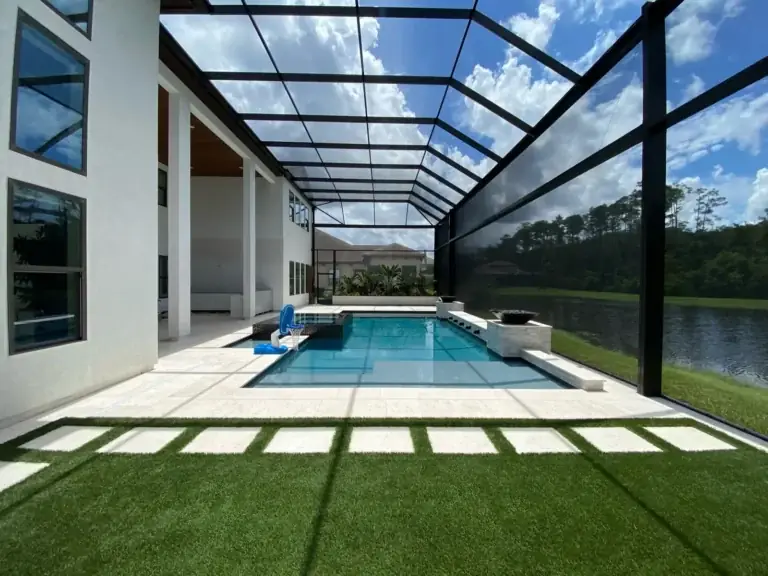
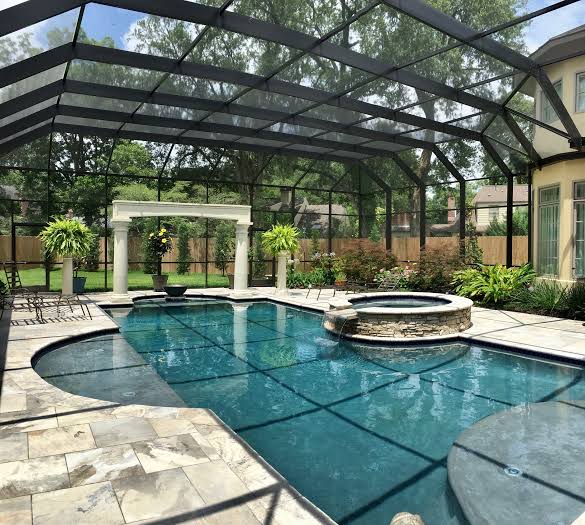
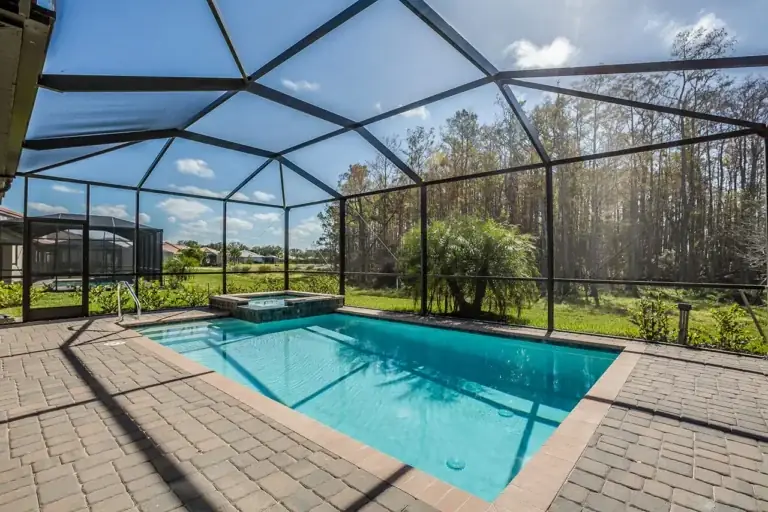
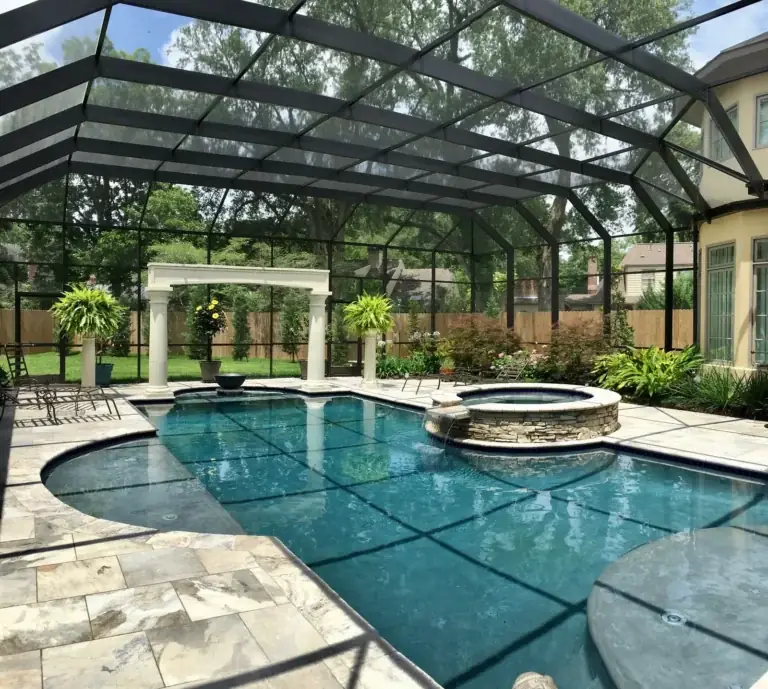
Evaluating residential outdoor aquatic structures across diverse geographical regions requires examining aluminum alloy grades, powder coating finishes, and fastener corrosion resistance. Homeowners and architectural planners seeking to compare aluminum pool enclosures must navigate municipal wind load mandates, moisture exposure, and organic debris accumulation. Developing these open-air patio cages involves balancing structural integrity against maximum natural light transmission and ventilation.
Establishing a premier structural blueprint demands evaluating local wind shear velocity, deck anchoring methods, and metal wall thickness tolerances before manufacturing begins. Relying on lightweight patio framing for a massive multi-bay swimming pool cage invites structural failure during severe storm events. Proactive engineering oversight ensures that load-bearing aluminum extrusions distribute wind uplift forces evenly while maintaining complete visual openness.
Executing a successful metal enclosure project utilizes precision miter cutting, stainless steel tapcon fasteners, and high-tensile fiberglass or polyester mesh panels. Comprehensive planning transforms exposed backyard swimming pools into protected, long-term outdoor living assets.
This analytical guide examines aluminum swimming pool enclosure categories, structural engineering frameworks, financial budgeting strategies, and long-term maintenance protocols. Mastering these technical principles enables property owners to achieve uncompromising structural safety and aesthetic durability.
Understanding “Compare Aluminum Pool Enclosures” Structural Criteria
Alloy Composition and Wall Thickness Specifications
Executing evaluations when property owners compare aluminum pool enclosures requires analyzing how structural alloy grades such as 6063-T5 versus 6063-T6 dictate bending resistance under severe aerodynamic pressure. Hurricane-prone coastal regions demand heavy-wall structural aluminum extrusions that resist permanent deformation. Implementing reinforced gusset corners prevents structural racking during severe weather.
Powder Coating Durability and Chemical Resistance
Assessing how electrostatic powder coating applications protect raw aluminum from swimming pool chlorine vapors explains why finish specification dictates overall longevity. Standard liquid paint scratches easily, exposing bare metal to rapid oxidation. Specifying premium electrostatically applied powder coats guarantees long-term surface integrity.
Deep Contextual Background
Historical Evolution of Metal Aquatic Framing
For decades, early residential patio screening in subtropical regions consisted of rudimentary wood frames and fragile wire netting that deteriorated rapidly. Early builders relied on trial and error, resulting in frequent structural collapses during tropical storm season. Modern manufacturing innovations introduced extruded architectural aluminum alloys that revolutionized outdoor living spaces.
Transition from Improvised Timber to Engineered Aluminum Systems
Engineering advancements propelled the transition from site-built wooden pergolas to fully engineered, modular aluminum pool enclosure systems distributed nationwide. Modern manufacturing protocols integrate computer-aided wind tunnel testing to verify component performance under severe storm loads. Adopting certified building systems ensures maximum safety and regulatory compliance.
Conceptual Frameworks and Mental Models
The Aerodynamic Porosity and Wind Load Model
Analyzing how wind passes through screened walls helps identify critical pressure differentials that cause roof sections to lift off deck anchors. When high winds hit solid house walls, redirected air creates internal cage pressure that stresses aluminum frame joints. Tracing complete wind flow paths across metal profiles eliminates hidden structural vulnerabilities.
The Galvanic Corrosion and Fastener Stress Framework
Evaluating how dissimilar metals react when carbon steel screws contact aluminum framing highlights the need for specialized fastener engineering. Overcoming galvanic corrosion requires using dedicated stainless steel or ceramic-coated fasteners. Designing for material compatibility preserves structural integrity across decades of operation.
Key Categories of Aluminum Framing Variations
Extruded 6063-T5 Standard Residential Framing
Constructing standard 6063-T5 aluminum pool cages provides reliable structural strength and cost-effective installation across typical suburban backyards. Standard framing features moderate wall thickness suitable for inland regions with normal wind patterns. These structures rely on standard gusset brackets.
Heavy-Wall 6063-T6 Architectural Framing Systems
Erecting heavy-wall 6063-T6 aluminum enclosures protects pool areas from high-velocity wind loads and severe tropical storm impacts. T6 heat-treated aluminum offers superior tensile strength compared to standard tempers, resisting bending under extreme pressure. Such installations require specialized miter cutting tools.
Structural Box Beam Aluminum Roof Profiles
Installing box beam aluminum roof profiles offers enhanced span capabilities without requiring intermediate vertical support posts. Box beam designs withstand heavy wind uplift effectively by distributing aerodynamic forces evenly across wide spans. These designs complement modern contemporary residential architecture.
Thermal-Break Aluminum Framing for Enclosed Pools
Building insulated thermal-break aluminum frames prevents interior condensation and heat transfer in climate-controlled pool rooms. Thermal-break systems insert a polyurethane barrier between exterior and interior metal channels, minimizing thermal bridging. These structures represent advanced engineering.
Bronze-Anodized Architectural Aluminum Cages
Erecting specialized bronze-anodized aluminum enclosures utilizes electrochemical surface treatments that embed color deeply into the metal substrate. Anodized finishes resist chipping and fading far better than standard painted coatings. Precision assembly ensures smooth, professional aesthetic appearance.
Integrated Structural Aluminum and Hybrid Panels
Installing hybrid enclosures combines solid aluminum composite roof panels over seating areas with open-mesh screened bays over the swimming pool water. Hybrid designs offer shaded lounge zones alongside sunlit swimming zones. These expansive structures serve as central outdoor living hubs.
Comparative Aluminum Framing System Analysis
Evaluating aluminum pool enclosure framing categories highlights critical trade-offs in structural strength, corrosion resistance, and initial capital investment requirements.
| Framing Category | Tensile Strength | Corrosion Resistance | Initial Capital Outlay | Maintenance Demand |
| Standard 6063-T5 Extrusions | Moderate | High | Moderate | Low to Moderate |
| Heavy-Wall 6063-T6 Framing | High | High | Moderate to High | Low |
| Box Beam Roof Profiles | Exceptional | High | High | Low |
| Thermal-Break Aluminum Systems | High | Exceptional | High to Exceptional | Low |
| Bronze-Anodized Architectural Cages | High | Exceptional | High | Low |
Systematic Selection Logic for Property Owners
Selecting the optimal aluminum enclosure variation requires following a logical decision sequence based on regional climate and structural goals:
-
Evaluate Regional Wind Zone and Storm Frequency:
-
Specify heavy-wall 6063-T6 framing or box beam roof profiles for hurricane-prone coastal properties.
-
Select standard 6063-T5 extrusions for inland suburban locations with moderate weather.
-
-
Determine Climate Control and Finish Preferences:
-
Choose thermal-break aluminum framing for climate-controlled indoor swimming pool pavilions.
-
Opt for bronze-anodized or standard powder-coated finishes for open-air screened patio cages.
-
Detailed Real-World Scenarios Compare Aluminum Pool Enclosures
Scenario A: Coastal Florida Hurricane Zone Aluminum Cage
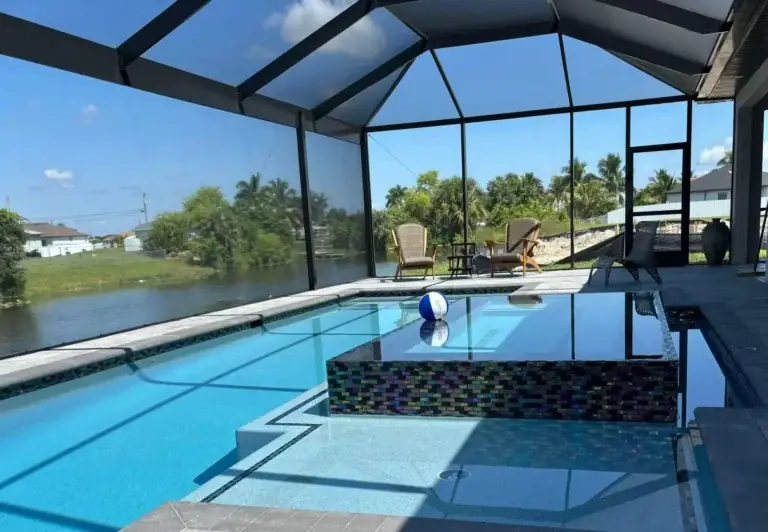
A waterfront homeowner in coastal Florida commissions a heavy-wall 6063-T6 aluminum enclosure designed to withstand Category 4 hurricane winds. Selecting standard thin-gauge aluminum framing fails immediately under tropical storm gusts. The installation team specifies reinforced structural posts, stainless steel anchor bolts, and heavy box beam roof supports.
Scenario B: Midwest Suburban Property with Heavy Snow and Wind
A suburban Midwest property features a large swimming pool exposed to freezing winters and biting winds. Standard light framing bends easily under ice loads. The contractor installs reinforced aluminum framing with thick structural profiles that resist snow weight and maintain stable structural geometry.
Scenario C: Arizona Desert Solar-Control Aluminum Enclosure
An Arizona desert estate requires a specialized aluminum enclosure that withstands intense solar heat and UV radiation while maintaining backyard visibility. The design utilizes thermal-rated aluminum framing and dark mesh panels. The new structure lowers surrounding patio temperatures and protects swimmers from severe exposure.
Financial Dynamics, Cost, and Resource Planning
Budgeting for aluminum enclosure acquisition requires balancing initial material outlays against long-term maintenance and repair expenses.
| Budget Allocation Category | Share Percentage | Primary Cost Drivers | Cost Control Strategy |
| Engineering Permits & Site Prep | 10% – 15% | Surveying, Municipal Building Permits | Partner with local licensed contractors. |
| Structural Aluminum Extrusions | 35% – 45% | Alloy Temper, Wall Gauge, Box Beams | Optimize spans to minimize heavy beam requirements. |
| Specialized Fasteners & Anchors | 15% – 20% | Stainless Steel Tapcons, Concrete Footers | Use corrosion-resistant marine-grade hardware. |
| Powder Coating & Finish Upgrades | 10% – 15% | Anodized Finish, Electrostatic Paint | Select finish grade matched to local climate. |
Direct Material Costs Versus Long-Term Maintenance Outlays
Investing in heavy-wall 6063-T6 aluminum framing and marine-grade fasteners reduces frequency of storm damage repairs and premature metal corrosion. Selecting substandard metal leads to structural sagging and rusted fastener failure after the first major storm. Allocating adequate capital upfront for professional construction guarantees longevity.
Ten-Year Capital Reserve and Maintenance Allocation
Calculating ten-year ownership expenses involves combining initial construction costs, routine powder coating touch-ups, and fastener replacement reserves. Proactive financial planning prevents unexpected maintenance bills from disrupting household budgets. Establishing a dedicated service fund guarantees resources for prompt storm damage repairs.
Tools, Strategies, and Support Systems
Deploying specialized miter saws, laser levels, and concrete anchoring equipment ensures flawless structural installation.
Precision Miter Saws and Carbide Cutting Blades
Deploying professional miter saws with carbide-tipped blades allows installers to cut aluminum extrusions accurately without creating jagged burrs. Proper cutting prevents joint misalignment and structural gaps. Using specialized tools ensures professional aesthetic finishes.
Laser-Guided Layout and Concrete Transit Instruments
Using high-accuracy laser levels during foundation layout ensures exact post placement and squareness across the entire swimming pool deck. Precise layout prevents structural binding and uneven load distribution. Accurate surveying eliminates costly installation rework.
Heavy-Duty Concrete Hammer Drills and Anchor Drivers
Employing industrial rotary hammer drills and torque-controlled impact drivers secures aluminum base plates firmly into concrete pool decks. Using high-shear stainless steel anchors prevents pull-out during severe wind uplift events. Proper anchoring ensures structural safety compliance.
Risk Landscape and Failure Modes Compare Aluminum Pool Enclosures
Identifying structural and material risk factors allows property owners to avoid catastrophic cage collapses and costly insurance claims.
Fastener Shear and Galvanic Corrosion Failure
Exposing carbon steel screws to chlorinated pool vapor and rain causes rapid galvanic corrosion and fastener snap failure. Corroded screws shear off easily under moderate wind loads, causing entire wall sections to detach. Installing certified stainless steel fasteners prevents structural separation.
Wind Uplift and Corner Gusset Structural Fatigue
Failing to install reinforced corner gussets allows high wind loads to twist aluminum joints, resulting in catastrophic structural buckling. Enclosures lacking proper diagonal bracing collapse inward during severe storms. Specifying heavy-duty internal corner brackets eliminates structural weakness.
Long-Term Governance, Maintenance, and Adaptation
Following structured maintenance protocols preserves frame rigidity and keeps aluminum surfaces protected through changing weather seasons.
Specialized Seasonal Washing and Inspection Protocols
Washing aluminum frames annually removes corrosive salt buildup, bird droppings, and organic mildew growth. Inspecting rubber spline channels semi-annually ensures screen panels remain securely locked in aluminum grooves. Lubricating access door hinges with silicone spray stops squeaking and wear.
Preventive Maintenance and Inspection Checklist
Executing regular technical inspections keeps aluminum enclosure frames, doors, and fasteners working safely:
-
Spring Storm Preparation Audit:
-
Inspecting all concrete anchor bolts, base plates, and corner gussets for tightness or corrosion.
-
Testing access door latches and self-closing spring mechanisms for proper safety operation.
-
-
Summer Frame and Coating Review:
-
Examining aluminum powder coating for scratches, fading, or bubbling caused by moisture.
-
Verifying gutter drainage spouts remain free of leaves and organic debris.
-
-
Autumn Debris and Fastener Check:
-
Clearing accumulated leaves from flat roof sections to prevent excess weight stress.
-
Checking stainless steel fasteners across high-wind exposure zones.
-
Measurement, Tracking, and Evaluation Metrics
Tracking structural compliance, fastener torque integrity, and maintenance intervals provides objective data regarding enclosure performance.
Leading and Lagging Performance Indicators
Leading indicators track scheduled annual washing dates, fastener check logs, and door hardware lubrication records. Maintaining structured maintenance logs ensures tasks are completed before material fatigue occurs. Tracking manufacturer warranties prevents unsupported product usage.
Lagging indicators evaluate storm repair expenditures, structural stability percentages, and overall frame longevity over time. Monitoring total annual maintenance costs confirms whether selected aluminum enclosure designs delivered long-term value. Measuring post alignment confirms structural resilience success.
Technical Enclosure Audit Guidelines
Executing technical quality checks during and after installation ensures structural safety and long-term operating durability:
-
Anchor Torque Verification: Checking that all concrete deck anchor bolts meet required tension specifications.
-
Frame Plumb Inspection: Verifying aluminum posts maintain strict vertical alignment across all bays.
-
Fastener Material Check: Ensuring all exposed screws consist of certified marine-grade stainless steel.
-
Structural Squareness Audit: Confirming framing geometry remains plumb and level across all structural corners.
Common Misconceptions and Architectural Myths Compare Aluminum Pool Enclosures
Correcting widespread industry myths helps property owners make informed decisions based on engineering facts.
Myth 1: Aluminum Pool Enclosures Never Require Maintenance or Cleaning
Correction: While aluminum does not rust like iron, environmental pollution, salt spray, and chlorinated pool vapors deposit corrosive films on powder-coated surfaces. Annual washing and periodic fastener inspections are required to prevent surface oxidation and hardware loosening. Routine care ensures long-term durability.
Myth 2: All Aluminum Extrusions Offer Identical Wind Resistance
Correction: Aluminum framing alloys, temper designations (T5 versus T6), and wall thicknesses vary widely between budget kits and custom-engineered structural enclosures. Thinner walls bend easily under high wind loads, whereas heavy-gauge architectural extrusions withstand severe storms. Material specification dictates structural survival.
Environmental, Contextual, and Regional Considerations
Designing and building aluminum pool enclosures requires accounting for local municipal zoning boards and severe microclimate weather.
Local Municipal Zoning and Building Permit Approvals
Constructing residential pool enclosures requires obtaining municipal building permits and passing strict zoning reviews. Projects often face property setback limits, maximum height restrictions, and HOA architectural guidelines. Securing thorough regulatory approval protects property investments and prevents legal disputes.
Extreme Microclimate Engineering and Wind Load Standards
Regional engineering requirements dictate minimum aluminum framing thickness and hurricane wind load ratings. Coastal hurricane zones mandate structural cages engineered for high wind speeds, while inland regions require lighter standards. Designing enclosures to local environmental codes prevents structural failure.
Strategic Architectural Conclusion
Developing high-end aluminum pool enclosure projects successfully requires merging structural engineering, durable alloy selection, and precise installation techniques. Property owners must evaluate regional wind zones, alloy tempers, and framing gauges to achieve lasting outdoor living excellence. Specifying heavy-gauge 6063-T6 aluminum extrusions, marine-grade stainless steel fasteners, and premium powder coats guarantees long-term durability.
Achieving premier architectural distinction depends on prioritizing professional engineering oversight and rigorous maintenance scheduling over shortcuts. Systematic planning transforms outdoor swimming pool areas into protected, long-term assets that enhance property value and lifestyle utility across decades of continuous operation.