Common Pool Enclosure Upkeep Mistakes In Residential Maintenance
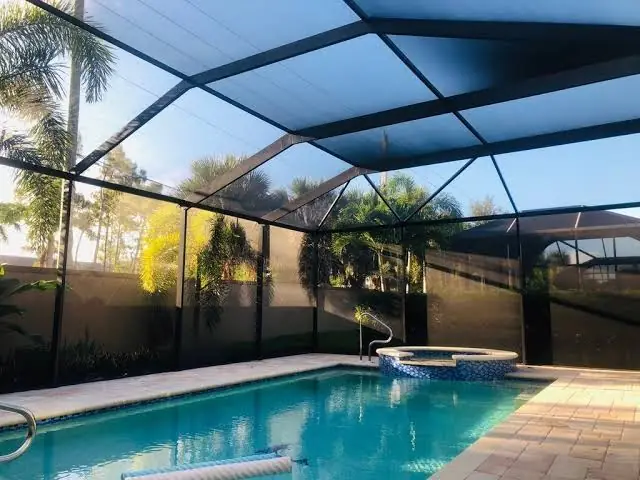
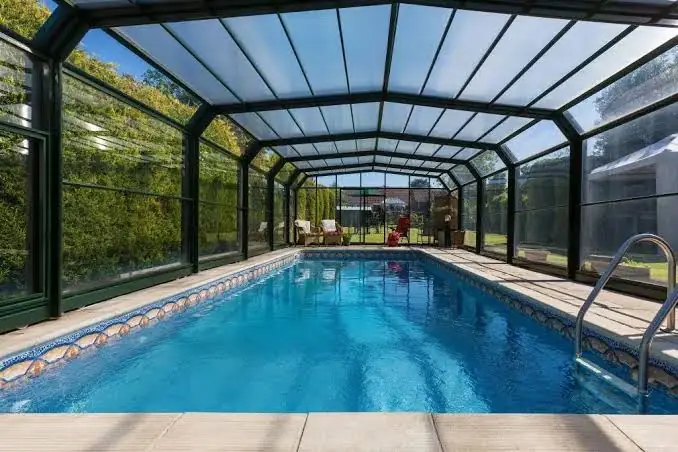
Maintaining residential swimming pool structures requires examining material tolerances, chemical resistance limits, and seasonal environmental stresses. Property owners frequently commit common pool enclosure upkeep mistakes that accelerate structural wear, compromise screen tension, and invite premature aluminum corrosion. Developing comprehensive asset protection strategies involves balancing cleaning intensity against structural integrity across changing weather cycles.
Establishing a premier maintenance blueprint demands evaluating fastener metallurgy, polycarbonate UV coatings, and frame foundation anchoring before undertaking routine washing tasks. Relying on aggressive high-pressure washing equipment for delicate mesh panels invites instant tearing and structural spline displacement. Proactive technical oversight ensures that homeowners clean and inspect their outdoor structures without causing inadvertent physical damage.
Executing a successful preservation project utilizes soft-bristle brushes, marine-grade hardware, and structured seasonal inspection routines. Comprehensive planning transforms deteriorating pool cages into durable, long-term architectural assets that withstand harsh environmental exposure without unexpected failure.
This analytical guide examines maintenance error categories, structural engineering frameworks, financial budgeting strategies, and long-term governance protocols. Mastering these technical principles enables property owners to achieve uncompromising structural safety and pristine enclosure longevity.
Understanding “Common Pool Enclosure Upkeep Mistakes” Structural Criteria
High-Pressure Washing Hazards and Mesh Fatigue
Executing evaluations when facility managers study common pool enclosure upkeep mistakes requires analyzing how excessive water pressure damages fragile fiberglass and polyester weave. High-velocity stream impact stretches individual filaments and dislodges rubber spline from aluminum framing channels. Implementing gentle low-pressure rinsing preserves textile strength.
Fastener Metallurgy and Galvanic Corrosion Oversights
Assessing how incompatible metal screws react with aluminum extrusions explains why hardware selection dictates structural stability. Standard steel fasteners installed without protective coatings cause rapid galvanic corrosion and red rust staining. Specifying marine-grade stainless steel hardware prevents premature joint failure.
Deep Contextual Background
Historical Evolution of Swimming Pool Enclosure Maintenance
For decades, early residential patio enclosure upkeep relied on rudimentary garden hoses and harsh chemical chlorine washes that degraded aluminum paint finishes. Early homeowners lacked access to specialized pH-neutral cleaning solutions and protective polymer sealants, resulting in pitted metal and fading screens. Modern manufacturing innovations introduced durable electrostatic powder coatings that revolutionized enclosure resilience.
Transition from Reactive Patching to Proactive Asset Management
Engineering advancements propelled the transition from emergency reactive repairs to systematic, proactive maintenance schedules adopted nationwide. Modern property management protocols integrate structured seasonal audits to catch minor sealant cracking before water intrusion occurs. Adopting disciplined maintenance programs ensures long-term structural reliability.
Conceptual Frameworks and Mental Models
The Chemical Compatibility and Surface Degradation Model
Analyzing how harsh acidic cleaners interact with painted aluminum frames helps identify primary causes of premature finish blistering. When abrasive chemicals sit on metal surfaces, they break down protective powder coatings. Tracing complete cleaning paths across architectural surfaces eliminates damaging chemical exposure.
The Thermal Expansion and Fastener Shear Framework
Evaluating how extreme seasonal temperature swings cause metal expansion highlights the need for flexible fastening systems. Overcoming thermal shear requires allowing slight movement within structural joints without snapping anchor bolts. Designing for thermal adaptation preserves structural rigidity across decades.
Key Categories of Maintenance Errors
High-Pressure Spray Damage
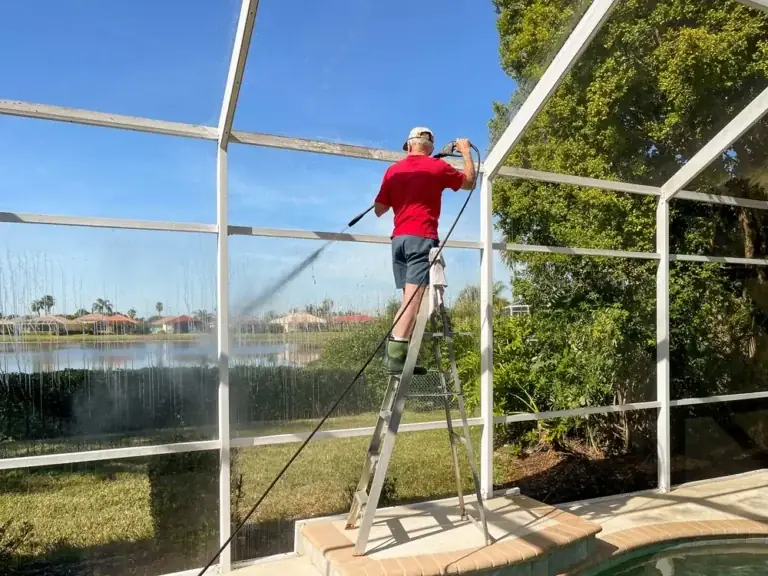
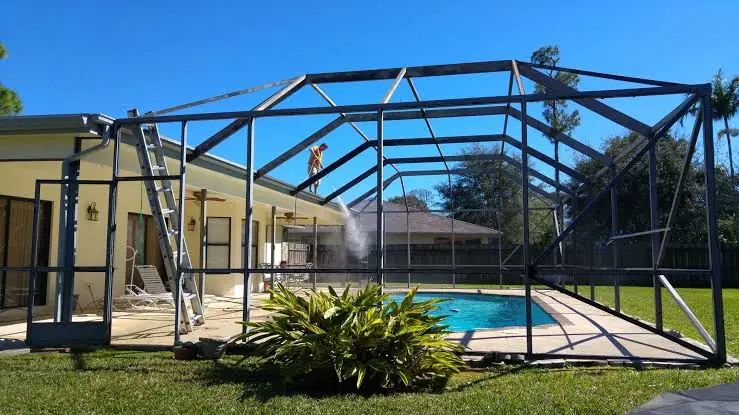
Constructing cleaning routines that utilize commercial power washers at close range shreds screen mesh and strips protective frame finishes. High-pressure streams compromise structural integrity across wide panel spans. These cleaning errors require expensive professional re-screening.
Ignoring Fastener Corrosion
Erecting maintenance schedules that fail to inspect and replace rusted steel screws permits galvanic corrosion to weaken vital beam connections. Rusted hardware causes aluminum framing joints to loosen during windstorms. Such oversights threaten overall cage safety.
Using Harsh Acidic Cleaners
Installing abrasive chemical formulas to remove stubborn algae stains strips the factory-applied electrostatic powder coating from aluminum extrusions. Acidic cleaners pit bare metal and accelerate oxidation. Proper maintenance requires neutral pH cleaning agents.
Neglecting Rubber Spline Shrinkage
Building cleaning protocols without checking rubber spline tension allows shrunken cord to pull loose from frame channels during storms. Loose spline leaves screen panels flapping and vulnerable to wind tearing. Routine tension checks prevent mesh blowouts.
Overlooking Roof Debris Accumulation
Installing pool enclosures under dense tree canopies without clearing falling leaves traps heavy organic matter on flat roof sections. Accumulated debris retains moisture and adds excessive structural weight. Regular clearing prevents structural strain.
Failing to Seal Concrete Anchors
Erecting pool cages without maintaining waterproof sealant around concrete base plates allows moisture intrusion and rust formation. Unsealed anchors corrode from the inside out. Preventive caulking stops foundation degradation.
Comparative Maintenance Error Analysis
Evaluating upkeep errors highlights critical trade-offs in structural risk, financial cost, and remediation complexity.
| Maintenance Error Category | Structural Risk | Financial Cost | Remediation Complexity | Prevention Method |
| High-Pressure Spray Damage | High | High | Moderate | Use low-pressure soft washing. |
| Ignoring Fastener Corrosion | Exceptional | High | High | Replace with stainless steel. |
| Using Harsh Acidic Cleaners | Moderate | Moderate | Moderate | Apply neutral pH soaps. |
| Neglecting Spline Tension | Moderate | Low | Low | Inspect and roll spline. |
| Overlooking Roof Debris | High | Moderate | Low | Clear leaves seasonally. |
Systematic Selection Logic for Property Owners
Selecting correct maintenance procedures requires following a logical decision sequence based on structural inspection findings:
-
Evaluate Cleaning Equipment and Chemical Safety:
-
Specify low-pressure garden hoses and soft-bristle brushes for all screen and frame washing.
-
Select certified pH-neutral cleaning solutions to protect aluminum powder coatings.
-
-
Determine Hardware and Sealant Inspection Schedules:
-
Choose semi-annual fastener audits to catch early galvanic rust formation.
-
Opt for annual base plate re-caulking to prevent moisture intrusion.
-
Detailed Real-World Scenarios Common Pool Enclosure Upkeep Mistakes
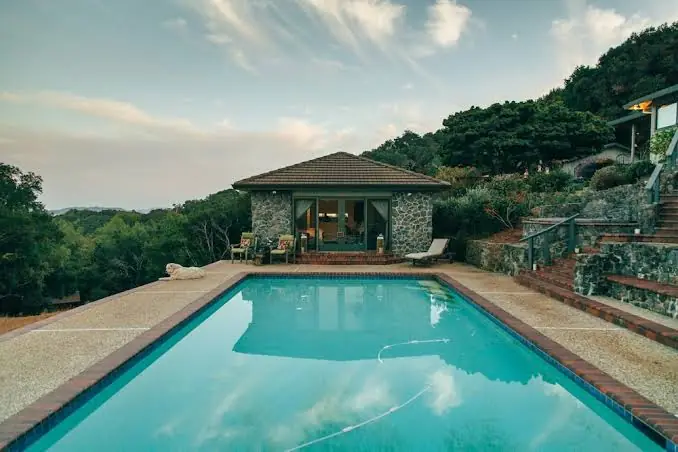
Scenario A: Residential Enclosure Damaged by Pressure Washing
A homeowner uses a high-pressure commercial power washer to clean green algae off an aging pool enclosure, shredding twenty screen panels and dislodging the rubber spline. The hasty cleaning method creates a costly repair bill. Hiring a professional screen technician becomes necessary to restore the enclosure.
Scenario B: Coastal Property Suffering Unchecked Fastener Corrosion
A coastal property owner ignores minor red rust streaks forming around enclosure roof joints for three consecutive years. Galvanic corrosion eventually shears multiple steel screws during a seasonal storm, causing a roof beam section to sag. Emergency structural reinforcement prevents complete cage collapse.
Scenario C: Shaded Yard Enclosure Ruined by Trapped Organic Debris
A suburban pool cage sits beneath a massive oak tree where accumulated wet leaves go uncleaned for months, rotting the lower mesh and staining the aluminum frame. The organic buildup retains moisture that accelerates frame pitting. Establishing a regular debris-clearing schedule resolves the issue.
Financial Dynamics, Cost, and Resource Planning
Budgeting for proper enclosure upkeep requires balancing preventative maintenance supply costs against emergency repair outlays.
| Budget Allocation Category | Share Percentage | Primary Cost Drivers | Cost Control Strategy |
| Preventative Cleaning Supplies | 20% – 25% | Neutral Soaps, Soft Brushes | Purchase concentrated bulk cleaning agents. |
| Hardware Inspection Reserves | 30% – 35% | Stainless Screws, Replacement Spline | Buy marine-grade fasteners in bulk. |
| Professional Structural Audits | 25% – 30% | Engineer Inspection Fees | Partner with certified local contractors. |
| Emergency Repair Contingency | 15% – 20% | Screen Reweaving, Beam Bracing | Maintain a dedicated maintenance fund. |
Direct Preventative Costs Versus Emergency Repair Outlays
Investing in routine preventative maintenance supplies and stainless steel hardware prevents expensive emergency structural repairs. Neglecting minor upkeep tasks leads to catastrophic frame failures and massive contractor bills. Allocating adequate capital upfront for proper care guarantees financial efficiency.
Multi-Year Maintenance Reserve and Capital Planning
Calculating multi-year ownership expenses involves combining annual inspection funds, seasonal cleaning supplies, and fastener replacement reserves. Proactive financial planning prevents unexpected maintenance bills from disrupting household budgets. Establishing a dedicated service fund guarantees resources for prompt upkeep.
Tools, Strategies, and Support Systems
Deploying specialized soft-bristle wash brushes, stainless steel fastener kits, and spline rolling tools ensures effective maintenance execution.
Soft-Bristle Extension Brushes and Low-Pressure Nozzles
Deploying professional soft-bristle extension brushes allows property owners to scrub frame surfaces and screen mesh safely without applying damaging physical force. Proper brush selection removes algae without scratching powder-coated aluminum. Using specialized tools guarantees safe cleaning.
Stainless Steel Fastener Replacement Kits
Using high-grade marine stainless steel replacement screws during semi-annual maintenance eliminates galvanic rust formation. Precise fastener upgrades prevent structural joint separation. Accurate driving ensures secure beam connections.
Spline Rollers and Emergency Repair Patch Kits
Employing standard steel-wheel spline rollers and adhesive mesh patch kits allows property owners to fix minor screen gaps instantly. Proper tool usage maintains tight fabric tension. Accurate repairs prevent small tears from spreading.
Risk Landscape and Failure Modes Common Pool Enclosure Upkeep Mistakes
Identifying structural and material risk factors allows property owners to avoid compounding maintenance errors and catastrophic cage collapses.
Compounding Structural Neglect and Wind Vulnerability
Exposing unmaintained fastener joints and loose screen mesh to severe seasonal windstorms invites progressive structural collapse. Unsecured frames twist and warp under high-velocity wind loads. Executing regular maintenance inspections eliminates compounding hazards.
Protective Finish Erosion and Aluminum Oxidation
Failing to wash away chemical residue and salt spray causes protective powder coatings to blister, exposing raw aluminum to rapid oxidation. Corroded aluminum loses structural thickness and mechanical strength. Applying protective waxes prevents finish erosion.
Long-Term Governance, Maintenance, and Adaptation
Following structured maintenance protocols preserves enclosure integrity and prevents common upkeep errors through changing seasons.
Specialized Seasonal Inspection and Cleaning Protocols
Washing enclosure frames and mesh semi-annually with neutral soap removes corrosive atmospheric pollutants and organic residue. Inspecting all structural hardware and rubber spline channels semi-annually ensures components remain secure. Keeping maintenance logs tracks completed tasks.
Preventive Maintenance and Inspection Checklist
Executing regular technical inspections keeps enclosure upkeep on track:
-
Spring Post-Winter Hardware Audit:
-
Inspecting all base plate anchors and roof screws for winter rust or loosening.
-
Tightening loose fastener heads using appropriate hand tools.
-
-
Summer Cleaning and Mesh Review:
-
Washing accumulated dust and algae from mesh surfaces using soft brushes.
-
Examining rubber spline for shrinking or cracking.
-
-
Autumn Debris and Sealant Check:
-
Clearing accumulated leaves from roof screen bays to prevent weight stress.
-
Inspecting perimeter concrete anchor caulking for cracking.
-
Measurement, Tracking, and Evaluation Metrics
Tracking maintenance intervals, hardware replacements, and cleaning schedules provides objective data regarding upkeep effectiveness.
Leading and Lagging Performance Indicators
Leading indicators track scheduled semi-annual cleaning dates, hardware inspection logs, and preventative maintenance spending. Maintaining structured maintenance records ensures tasks are completed before structural degradation occurs. Tracking product warranties prevents unsupported chemical usage.
Lagging indicators evaluate annual repair expenditures, storm damage incidents, and overall enclosure longevity over time. Monitoring total maintenance spending confirms whether proper upkeep practices delivered expected financial savings. Measuring structural stability confirms management success.
Technical Enclosure Audit Guidelines
Executing technical quality checks during and after maintenance ensures structural safety and longevity:
-
Hardware Torque Verification: Checking that all fastener heads remain snug and uncorroded against framing.
-
Mesh Tension Inspection: Ensuring screen panels maintain smooth, wrinkle-free tautness across all bays.
-
Anchor Seal Audit: Confirming foundation base plates remain securely caulked against moisture intrusion.
-
Frame Finish Review: Verifying aluminum powder coatings show no blistering or oxidation pitting.
Common Misconceptions and Technical Myths Common Pool Enclosure Upkeep Mistakes
Correcting widespread industry myths helps property owners make informed maintenance decisions based on technical facts.
Myth 1: Power Washing Is the Fastest and Safest Way to Clean Pool Enclosures
Correction: Using high-pressure washers shreds screen mesh, dislodges rubber spline, and strips protective frame finishes. Enclosure cleaning requires gentle low-pressure rinsing and soft brushes. Gentle care preserves structural integrity.
Myth 2: Standard Steel Screws Hold Up Permanently in Outdoor Pool Cages
Correction: Standard steel screws react chemically with aluminum framing and pool chlorine vapors, causing rapid galvanic rust staining and joint failure. Enclosure maintenance mandates marine-grade stainless steel fasteners. Material selection prevents catastrophic failures.
Environmental, Contextual, and Regional Considerations
Designing and maintaining pool enclosures requires accounting for local municipal zoning boards and severe regional climate variations.
Local Municipal Zoning and HOA Maintenance Rules
Maintaining residential pool enclosures requires complying with local homeowners association rules regarding exterior cleanliness and structural condition. Properties often face aesthetic citations for rusted frames or torn screens. Securing regular upkeep prevents municipal fines and HOA disputes.
Regional Microclimate Weather Exposure and Maintenance Demands
Regional environmental factors dictate maintenance frequencies based on local humidity, coastal salt spray, and tree coverage. Coastal properties mandate frequent freshwater rinsing to remove salt crust, while heavily wooded sites require regular debris clearing. Tailoring maintenance tasks to local climates ensures asset longevity.
Strategic Architectural Conclusion
Developing high-end pool enclosure maintenance strategies successfully requires merging gentle cleaning techniques, marine-grade hardware selection, and rigorous semi-annual inspection protocols. Property owners must avoid common upkeep errors such as high-pressure washing, ignoring fastener corrosion, and using harsh acidic cleaners. Specifying soft-bristle brushes, neutral pH soaps, and stainless steel fasteners guarantees long-term structural durability.
Achieving premier property distinction depends on prioritizing structured preventative maintenance planning over reactive emergency repairs. Systematic upkeep transforms vulnerable outdoor swimming pool enclosures into secure, long-term assets that preserve property value and lifestyle utility across decades of continuous operation.