Luxury Pool Structures Usa Featuring Motorized Retractable Glass Enclosures
Constructing high-end residential aquatic environments across distinct regional climates requires examining architectural framing alloys, glazing apertures, and structural wind load capacities. Discerning property owners investigating luxury pool structures usa must analyze heavy extruded aluminum columns, motorized retractable glass panels, and integrated thermal roof structures. Developing comprehensive architectural planning strategies involves balancing open-air ventilation comfort against severe weather protection requirements.
Establishing a premier outdoor pool enclosure blueprint demands evaluating local building codes, foundation load-bearing thresholds, and custom architectural integration before signing fabrication contracts. Relying on generic, prefabricated screen kits for custom estate architecture invites premature structural degradation and inadequate insulation during extreme weather events. Proactive engineering oversight ensures that bespoke pool installations meet rigorous aesthetic and safety standards.
Executing a successful high-end pool structure project utilizes marine-grade structural framing, specialized polycarbonate or laminated glass glazing, and precision motorized track mechanisms. Comprehensive planning transforms standard backyard swimming pools into climate-controlled, luxurious architectural living environments.
This analytical guide examines pool structure categories, structural engineering frameworks, financial resource planning, and long-term governance protocols. Mastering these technical principles enables property owners to achieve uncompromising structural integrity and refined design excellence.
Understanding “Luxury pool structures usa” Structural Criteria
Architectural Customization and Regional Engineering Standards
Executing evaluations when property owners search for luxury pool structures usa requires analyzing how regional climate variations dictate structural engineering requirements. Coastal properties face severe hurricane wind loads, while northern installations require high snow-load capacity and thermal insulation. Implementing region-specific structural standards ensures long-term safety and durability.
Thermal Break Technology and Climate Control Efficiency
Assessing how aluminum framing conducts heat explains why advanced thermal break engineering dictates year-round usability. Unbroken metal frames transfer outside temperatures indoors, causing condensation and excessive heating bills. Specifying thermal break extrusions prevents energy loss and enhances indoor comfort.
Deep Contextual Background Luxury Pool Structures Usa
Historical Evolution of American Pool Architecture
For decades, early American luxury pool enclosures relied on basic wood framing and flimsy aluminum mesh stretched over simple concrete decks designed primarily for basic insect control. Early builders lacked advanced powder-coated structural alloys and motorized retractable glass panels, resulting in seasonal wear and limited usability. Modern engineering innovations introduced high-strength structural aluminum and automated glass systems that revolutionized high-end outdoor living.
Transition from Static Screen Cages to Motorized Retractable Architecture
Engineering advancements propelled the transition from fixed, seasonal pool cages to fully motorized retractable architectural systems deployed nationwide. Modern luxury property developments integrate automated glass walls that open or close in seconds. Adopting certified retractable systems ensures maximum architectural versatility.
Conceptual Frameworks and Mental Models
The Climate Adaptation and Glazing Selection Model
Analyzing how different glazing materials filter solar heat and airflow helps identify optimal configurations for specific geographic regions. When designing for southern states with intense sun, solar-blocking polycarbonate reduces interior temperatures efficiently. Tracing complete airflow paths across architectural designs eliminates ventilation dead zones.
The Structural Load and Dynamic Wind Frame Framework
Evaluating how extreme weather events impose severe lateral and vertical loads highlights the need for robust framing anchors. Overcoming dynamic wind and snow forces requires heavy-gauge aluminum extrusions and reinforced foundation connections. Designing for extreme loads preserves structural integrity.
Key Categories of Architectural Pool Structures
Motorized Retractable Glass Enclosures
Constructing luxury outdoor aquatic spaces featuring motorized retractable glass walls allows homeowners to transition between open-air patios and enclosed climate-controlled rooms instantly. Retractable systems utilize silent tubular electric motors and heavy-duty side tracks. These high-end structures offer versatile year-round usability.
Custom Heavy-Duty Aluminum Pool Cages
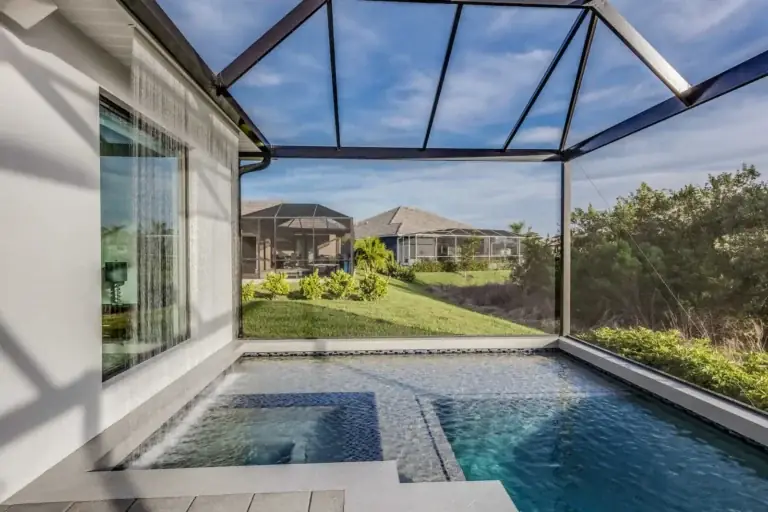
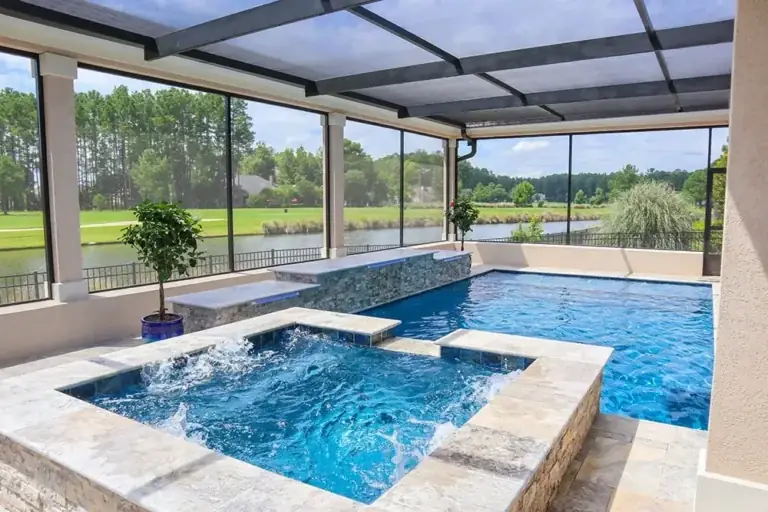
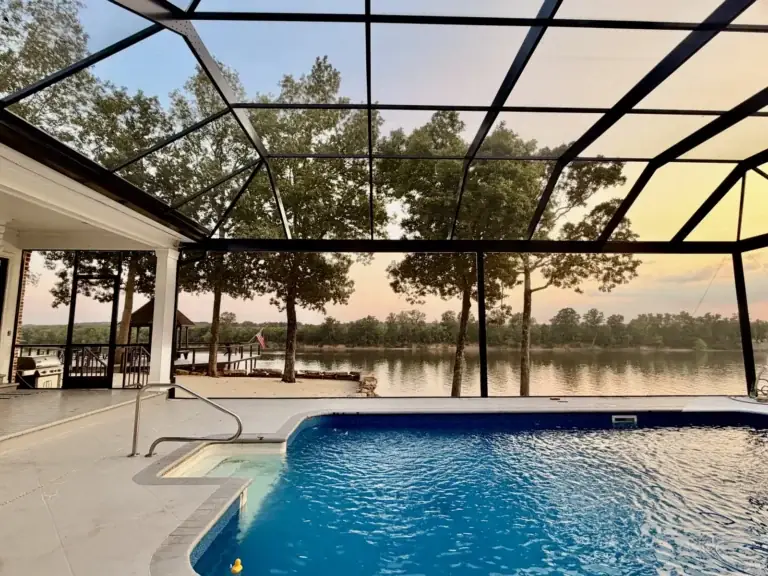
Erecting bespoke aluminum screen enclosures featuring heavy-gauge structural members and high-porosity mesh provides durable protection for subtropical climates. Custom pool cages can be engineered with dramatic gable roof pitches and architectural cornices. These structures offer traditional open-air ambiance with elite durability.
Architectural Lean-To and Attached Pool Pavilions
Building attached screen structures that integrate directly with existing home architecture expands indoor living space seamlessly. Attached structures require specialized flashing and waterproof wall seals. Proper integration prevents moisture intrusion into the primary residence.
Freestanding Resort Cabanas and Enclosures
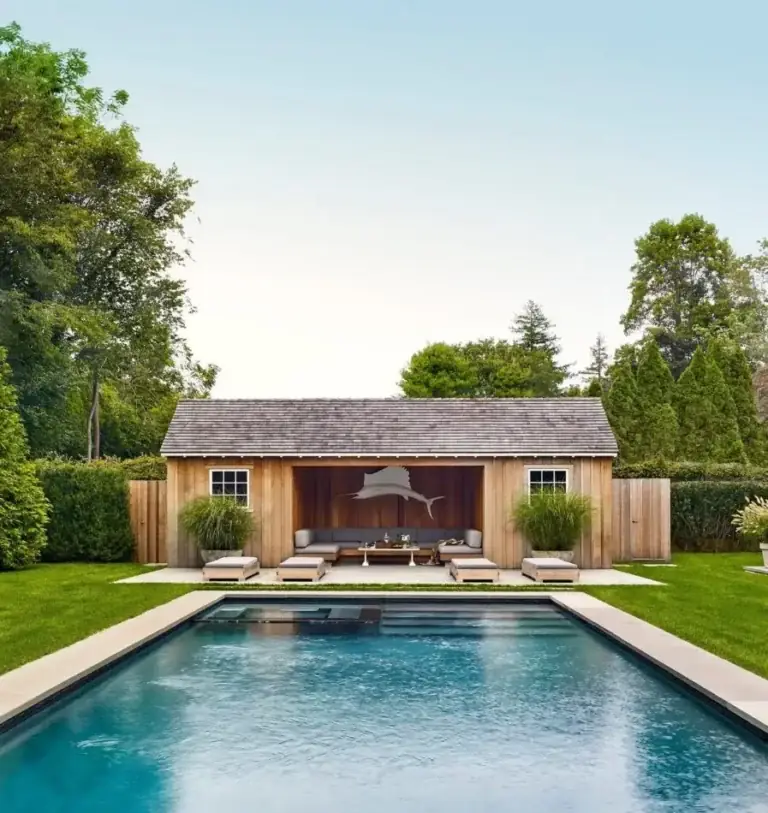
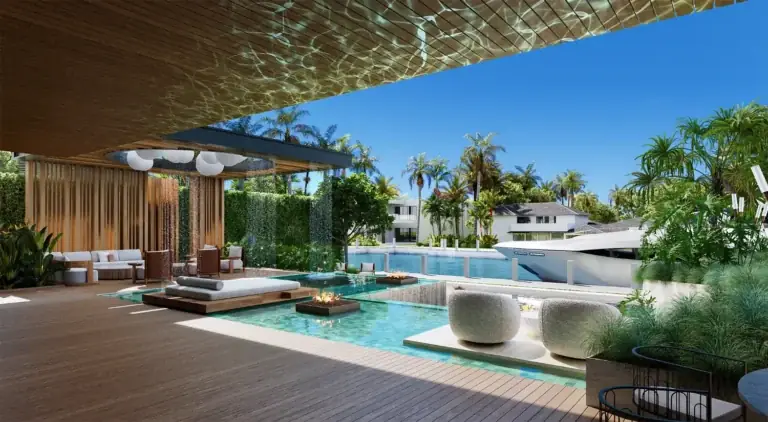
Erecting standalone architectural pavilions enclosing outdoor dining and lounge areas creates private resort-like backyard compounds. Freestanding structures accommodate complex lighting, audio systems, and ceiling fans. These expansive projects define luxury estate design.
Commercial-Grade Motorized Screen Systems
Installing heavy-duty commercial motorized screen systems designed for public resorts and high-end residential communities ensures continuous operation under heavy daily use. Commercial systems feature reinforced tracks and heavy-duty motor drives. These robust structures deliver exceptional longevity.
Glass-and-Screen Convertible Enclosures
Building convertible structures that interchange glass panels with screen mesh inserts provides ultimate seasonal adaptability. Convertible rooms transition from winter sunrooms to summer pool enclosures smoothly. These versatile spaces maximize property utility.
Comparative Architectural Pool Structure Analysis
Evaluating structure categories highlights critical trade-offs in thermal insulation, weather resistance, and initial capital investment requirements.
| Pool Structure Category | Thermal Insulation | Weather Resistance | Initial Capital Outlay | Architectural Flexibility |
| Motorized Retractable Glass | Exceptional | Exceptional | Highest | Exceptional |
| Custom Aluminum Pool Cages | Low | Moderate | Moderate | High |
| Attached Lean-To Pavilions | High | High | High | High |
| Freestanding Resort Cabanas | Moderate | High | Highest | Exceptional |
| Convertible Glass-Screen Rooms | High | High | Highest | High |
Systematic Selection Logic for Property Owners
Selecting optimal custom pool structures requires following a logical decision sequence based on regional climate and architectural goals:
-
Evaluate Regional Climate and Thermal Requirements:
-
Specify motorized retractable glass rooms for versatile seasonal use in temperate zones.
-
Select heavy-duty custom aluminum pool cages for warm southern climates with high insect activity.
-
-
Determine Budget and Architectural Integration:
-
Choose attached lean-to structures to expand primary living spaces seamlessly.
-
Opt for freestanding resort cabanas to create independent backyard compounds.
-
Detailed Real-World Scenarios Luxury Pool Structures Usa
Scenario A: Suburban Estate Requiring Motorized Retractable Glass
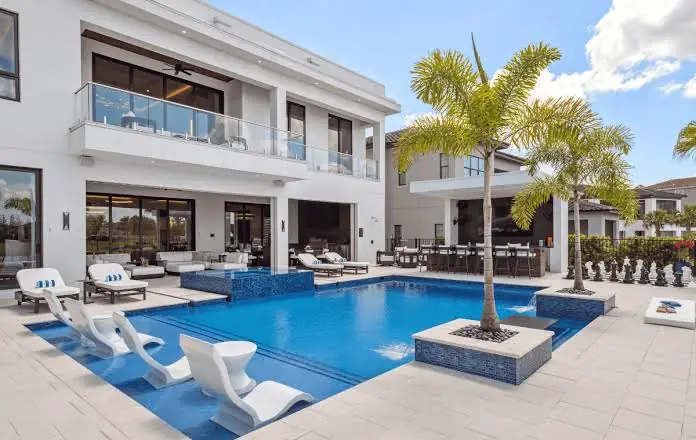
A luxury residential estate in a temperate climate features an outdoor pool deck that remains underutilized due to weather and seasonal debris. The architectural team designs and installs custom motorized retractable glass walls integrated into existing roof pillars. The automated system allows open-air swimming or enclosed comfort at the touch of a button.
Scenario B: Coastal Property Facing Severe Hurricane Wind Loads
A coastal property owner seeks a durable pool enclosure capable of withstanding hurricane-force gales without sacrificing ocean views. The contractor engineers a custom heavy-gauge aluminum glass enclosure secured with heavy stainless steel wedge anchors. The resilient structure successfully withstands major tropical storms.
Scenario C: Subtropical Homeowner Desiring Premium Ventilation and Shade
A suburban residence in a warm southern climate requires a durable, elegant pool enclosure that complements modern home architecture. The builder constructs a custom gable-roof aluminum pool cage featuring heavy-gauge bronze framing and solar-blocking mesh. The bespoke structure provides optimal ventilation and UV protection.
Financial Dynamics, Cost, and Resource Planning
Budgeting for luxury pool structure acquisition requires balancing initial fabrication outlays against long-term maintenance and durability savings.
| Budget Allocation Category | Share Percentage | Primary Cost Drivers | Cost Control Strategy |
| Custom Architectural Design | 10% – 15% | Engineering, 3D Rendering, Permits | Partner with specialized enclosure designers. |
| Structural Framing & Glazing | 50% – 60% | Aluminum Extrusions, Motorized Panels | Select high-grade regional suppliers. |
| Professional Installation Labor | 20% – 25% | Rigging, Electrical Wiring, Assembly | Hire manufacturer-certified installation crews. |
| Electrical & Lighting Integration | 10% – 15% | Smart Controls, Fixtures, Wiring | Install energy-efficient LED lighting packages. |
Direct Fabrication Costs Versus Long-Term Material Durability
Investing in premium powder-coated aluminum framing and marine-grade stainless steel hardware reduces annual repair and replacement costs significantly. Selecting cheap, unreinforced structures results in rapid material degradation and structural failure. Allocating adequate capital upfront for quality engineering guarantees financial efficiency.
Multi-Year Capital Reserve and Maintenance Planning
Calculating multi-year ownership expenses involves combining annual motorized track servicing, seal inspections, and periodic frame cleaning funds. Proactive financial planning prevents unexpected component failures from disrupting household routines. Establishing a dedicated maintenance fund guarantees resources for prompt upkeep.
Tools, Strategies, and Support Systems Luxury Pool Structures Usa
Deploying specialized rigging cranes, laser leveling tools, and wiring kits ensures precise installation of luxury pool structures.
Hydraulic Truck Cranes and Rigging Equipment
Deploying professional hydraulic truck cranes allows installation crews to lift heavy aluminum roof trusses and motorized glass cassettes into place safely. Proper rigging prevents structural distortion during assembly. Using specialized machinery guarantees installation precision.
Precision Laser Levelers and Alignment Tools
Using high-accuracy laser levelers ensures custom enclosure tracks and wall posts are plumb and square across long spans. Precise alignment prevents binding in motorized retractable glass systems. Accurate leveling guarantees smooth mechanical operation.
Industrial Torque Wrenches and Fastener Sets
Employing calibrated torque wrenches ensures structural anchor bolts and framing fasteners meet precise engineering specifications. Accurate torque application prevents structural joint loosening under dynamic wind loads. Proper fastening maintains system integrity.
Risk Landscape and Failure Modes
Identifying structural and environmental risk factors allows property owners to avoid motor burnout, glass delamination, and frame corrosion.
Motor Drive Strain Caused by Track Debris Accumulation
Exposing motorized retractable enclosure tracks to uncleaned leaves and dirt causes excessive electrical motor strain and gear wear. Jammed tracks prevent smooth panel movement and can burn out drive motors. Clearing debris from tracks regularly prevents mechanical failure.
Glass Delamination and Seal Failure in Humid Environments
Failing to specify high-grade laminated safety glass or proper edge sealing causes moisture penetration and premature seal fogging. Fogged glass ruins aesthetic views and requires costly panel replacement. Specifying factory-sealed insulated units eliminates failure risks.
Long-Term Governance, Maintenance, and Adaptation
Following structured maintenance protocols preserves pool structure performance and ensures pristine appearance across changing seasons.
Specialized Seasonal Inspection and Lubrication Protocols
Washing aluminum framing and glass panels semi-annually with non-abrasive cleaners maintains optical clarity and removes corrosive atmospheric pollutants. Inspecting motorized drive chains and lubricating tracks semi-annually ensures smooth operation. Keeping maintenance logs tracks completed service.
Preventive Maintenance and Inspection Checklist
Executing regular technical inspections keeps luxury pool structures working reliably:
-
Spring Motor and Track Audit:
-
Inspecting motorized drive systems, belts, and electrical connections.
-
Cleaning and lubricating all sliding tracks and guide rollers.
-
-
Summer Glazing and Seal Review:
-
Examining glass panels for thermal seals and surface integrity.
-
Washing exterior surfaces to remove pollen and dust buildup.
-
-
Autumn Structural and Anchor Check:
-
Verifying all foundation anchor bolts remain tight and uncorroded.
-
Clearing fallen leaves from perimeter drainage channels and roof gutters.
-
Measurement, Tracking, and Evaluation Metrics
Tracking maintenance intervals, energy consumption data, and mechanical performance logs provides objective data regarding pool structure effectiveness.
Leading and Lagging Performance Indicators
Leading indicators track scheduled semi-annual track lubrications, motor diagnostic checks, and preventative maintenance spending. Maintaining structured maintenance records ensures mechanical systems operate without unexpected breakdowns. Tracking manufacturer warranties prevents unsupported repairs.
Lagging indicators evaluate annual patio cleaning costs, utility energy usage, and overall structure structural longevity over time. Monitoring total utility savings confirms whether premium motorized systems delivered expected efficiency. Measuring structural stability confirms engineering success.
Technical Pool Structure Audit Guidelines
Executing technical quality checks during and after structure maintenance ensures structural safety and durability:
-
Track Alignment Verification: Checking that motorized retractable tracks remain parallel and unwarped.
-
Seal Integrity Inspection: Ensuring weatherstripping and rubber gaskets show no cracking or shrinkage.
-
Anchor Stability Audit: Confirming all base plate fasteners remain securely bolted to concrete foundations.
-
Motor Function Test: Verifying smooth, silent operation of all automated opening and closing mechanisms.
Common Misconceptions and Technical Myths Luxury Pool Structures Usa
Correcting widespread industry myths helps property owners make informed decisions based on practical engineering facts.
Myth 1: Pool Structures Require Massive Heating Bills During Winter Months
Correction: Modern custom enclosures featuring thermal break aluminum framing and insulated glass retain solar heat efficiently. Proper thermal insulation minimizes auxiliary heating requirements. Advanced engineering ensures energy efficiency.
Myth 2: Retractable Motorized Systems Are Delicate and Prone to Immediate Wind Failure
Correction: Premium motorized glass systems engineered for American markets utilize heavy-duty structural guides and wind-lock mechanisms that secure panels tightly within side channels, allowing them to withstand moderate wind gusts. High-end engineering guarantees extreme weather resilience. Robust structures withstand severe gales.
Environmental, Contextual, and Regional Considerations
Designing and planning luxury pool structures requires accounting for local municipal zoning restrictions and severe regional climate variations.
Local Municipal Zoning, Height Limits, and Setbacks
Constructing custom pool structures requires complying with local municipal zoning ordinances regarding maximum building height, lot coverage, and property setbacks. Properties in restricted residential zones often face strict architectural review board scrutiny. Securing proper planning approvals ensures legal compliance.
Regional Climate Extremes and Material Selection
Regional environmental factors dictate enclosure material selection based on local snowfall, freezing temperatures, and coastal salt exposure. Coastal installations mandate marine-grade anodized aluminum and stainless steel hardware to resist salt corrosion, while northern sites require high-load structural framing. Tailoring materials to local climates ensures asset longevity.
Strategic Architectural Conclusion
Developing flagship luxury pool structures successfully requires merging heavy-duty thermal break aluminum framing, specialized glass glazing, and precise motorized retractable engineering. Property owners must evaluate regional climate demands, architectural integration, and structural wind ratings to achieve lasting luxury and utility. Specifying commercial-grade hardware guarantees long-term operational excellence.
Achieving premier property distinction depends on prioritizing structured architectural planning over generic off-the-shelf installations. Systematic pool structure design transforms standard outdoor decks into secure, climate-controlled, and breathtaking architectural living spaces that preserve property value and lifestyle utility across decades of continuous operation.