Best Pool Enclosures For Winter Snow Load And Thermal Efficiency
Evaluating residential aquatic structures across harsh northern climates requires examining heavy aluminum framing profiles, multi-wall polycarbonate insulation, and heavy snow load engineering. Homeowners and architectural planners seeking the best pool enclosures for winter must navigate severe freezing temperatures, heavy ice accumulation, and high wind pressures. Developing these weather-resistant patio structures involves balancing structural load capacity against maximum thermal retention and year-round usability.
Establishing a premier winter structure blueprint demands evaluating local snowfall volume, deck anchoring methods, and polycarbonate thermal expansion tolerances before manufacturing begins. Relying on lightweight summer screen cages for a northern swimming pool invites catastrophic structural collapse under heavy winter snow loads. Proactive engineering oversight ensures that reinforced aluminum arches distribute heavy snow weight evenly while maintaining complete interior heat insulation.
Executing a successful winter enclosure project utilizes precision miter cutting, heavy-duty stainless steel anchor bolts, and high-impact multi-wall polycarbonate panels. Comprehensive planning transforms seasonal backyard swimming pools into protected, year-round indoor aquatic environments.
This analytical guide examines winter pool enclosure categories, structural engineering frameworks, financial budgeting strategies, and long-term maintenance protocols. Mastering these technical principles enables property owners to achieve uncompromising structural safety and thermal durability.
Understanding “Best Pool Enclosures for Winter” Structural Criteria
Snow Load Engineering and Polycarbonate Insulation
Executing evaluations when property owners search for the best pool enclosures for winter requires analyzing how heavy snow loads exert immense downward pressure on curved roof arches. Northern regions demand heavy-gauge structural aluminum framing and thick multi-wall polycarbonate glazing that resist bowing under freezing precipitation. Implementing reinforced internal truss systems prevents structural buckling during major blizzards.
Thermal Retention and Condensation Control Management
Assessing how insulated glazing panels trap interior heat explains why material selection dictates winter operating efficiency. Standard single-pane glass or thin mesh allows rapid heat loss, driving up swimming pool heating bills exponentially during freezing months. Specifying multi-wall polycarbonate panels guarantees superior thermal insulation and reduced condensation dripping.
Deep Contextual Background
Historical Evolution of Cold-Weather Aquatic Enclosures
For decades, early northern swimming pool owners relied on heavy vinyl tarps and weighted water bags that offered zero thermal insulation and frequent collapse risks. Early builders experimented with temporary wooden frames, resulting in rotting lumber and dangerous structural failures under heavy winter snowstorms. Modern manufacturing innovations introduced extruded architectural aluminum and rigid polycarbonate glazing that revolutionized cold-weather swimming.
Transition from Seasonal Tarps to Engineered Enclosures
Engineering advancements propelled the transition from makeshift winter covers to fully engineered, rigid telescopic pool enclosures distributed nationwide. Modern manufacturing protocols integrate computer-aided snow load simulation testing to verify component performance under extreme sub-zero weather. Adopting certified winter systems ensures maximum safety and regulatory compliance.
Conceptual Frameworks and Mental Models
The Thermal Envelope and Heat Retention Model
Analyzing how heat transfers through enclosure walls helps identify critical insulation gaps that drive up winter pool heating expenditures. When freezing winds hit thin polycarbonate panels, interior water heat dissipates rapidly unless thermal breaks are installed. Tracing complete heat loss pathways across framing profiles eliminates hidden energy inefficiencies.
The Snow Load Distribution and Structural Stress Framework
Evaluating how heavy snow accumulation settles across curved roofs highlights the need for robust structural engineering. Overcoming dynamic snow weight requires heavy-gauge aluminum box beams and reinforced steel connection brackets. Designing for cumulative winter stress preserves structural integrity across decades of operation.
Key Categories of Winter-Resistant Pool Enclosures
Low-Profile Telescopic Polycarbonate Pool Enclosures
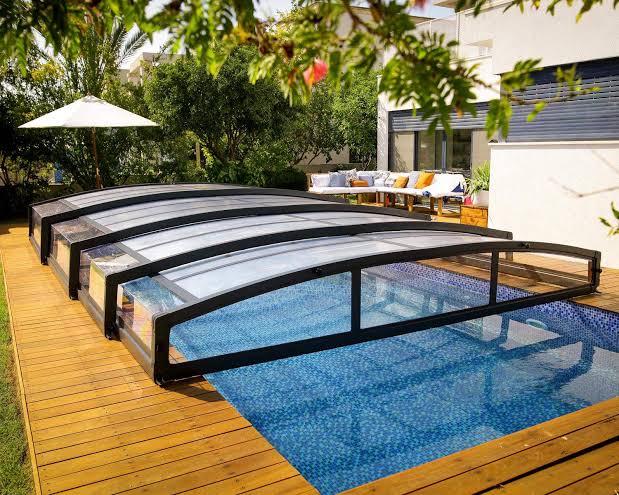
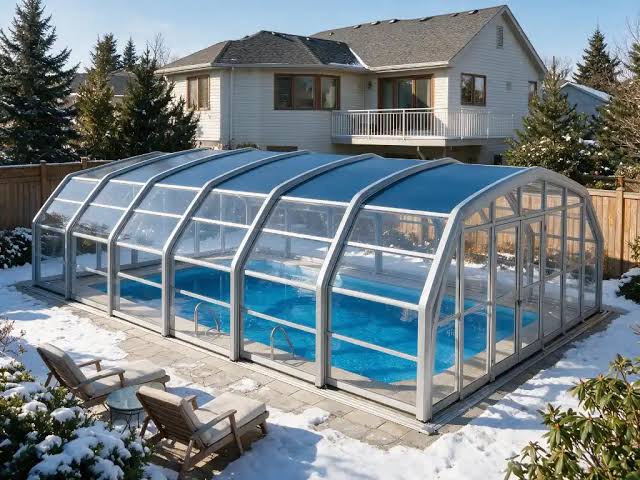
Constructing low-profile telescopic enclosures allows modular segments to nest together during warm months and slide outward to cover the pool during winter. Telescopic designs feature durable polycarbonate sheets that withstand heavy snow accumulation while keeping pool water warm. These structures rely on heavy extruded aluminum tracks.
High-Clearance Stationary Enclosure Domes
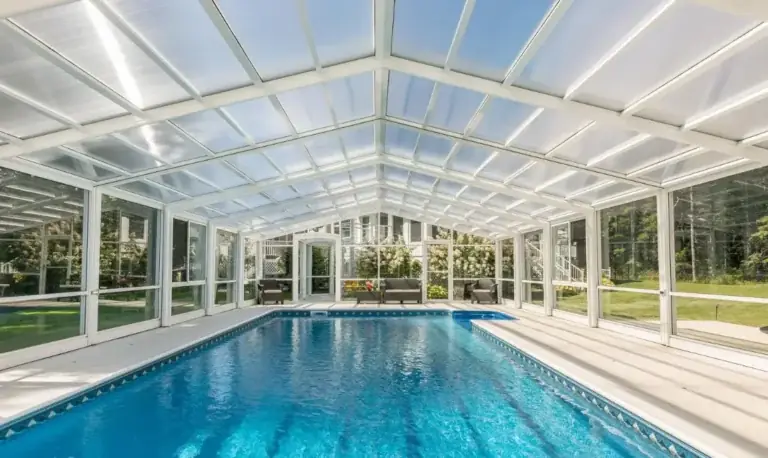
Erecting high-clearance stationary domes creates a spacious indoor swimming pavilion that accommodates furniture, lounge chairs, and swimmers throughout winter. Stationary domes offer maximum interior vertical clearance and robust wind resistance. Such installations require secure concrete foundation footers.
Geodesic Architectural Winter Pool Pavilions
Installing geodesic frame pool enclosures utilizes triangular aluminum geometry that distributes snow loads evenly across all structural nodes. Geodesic designs withstand severe northern blizzards exceptionally well by preventing snow accumulation on steep upper slopes. These architectural structures complement luxury estate properties.
Gable-Roof Rigid Glass and Aluminum Solariums
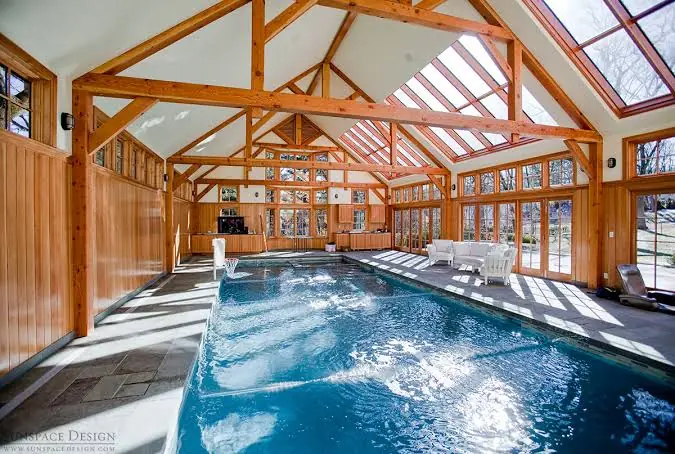
Building traditional gable-roof solarium pool enclosures combines structural aluminum framing with thick laminated safety glass designed for heavy snow zones. Gable solariums provide classic residential roof lines and exceptional natural light transmission during short winter days. These structures require professional crane installation.
Retractable Motorized Sloping Pool Enclosures
Erecting motorized sloping enclosures utilizes automated drive systems that open and close large polycarbonate roof bays with remote control convenience. Motorized systems feature built-in safety sensors that halt movement if snow or ice obstructs the tracks. Precision engineering ensures smooth cold-weather operation.
Insulated Sandwich-Panel Hybrid Winter Cages
Installing hybrid enclosures combines solid insulated foam-core roof panels over seating zones with clear polycarbonate glazing over the swimming pool water. Hybrid designs maximize winter thermal retention while maintaining targeted sunlight exposure. These expansive structures serve as central winter living hubs.
Comparative Winter Enclosure System Analysis
Evaluating winter pool enclosure categories highlights critical trade-offs in snow load capacity, thermal efficiency, and initial capital investment requirements.
| Winter Enclosure Category | Snow Load Capacity | Thermal Efficiency | Initial Capital Outlay | Maintenance Demand |
| Low-Profile Telescopic System | High | High | High | Low to Moderate |
| High-Clearance Stationary Dome | High to Exceptional | Moderate to High | High to Exceptional | Moderate |
| Geodesic Architectural Pavilion | Exceptional | High | Exceptional | Low |
| Gable-Roof Glass Solarium | Moderate to High | Moderate | High | Moderate to High |
| Retractable Motorized Sloper | High | High | Exceptional | Moderate |
Systematic Selection Logic for Property Owners
Selecting the optimal winter pool enclosure variation requires following a logical decision sequence based on regional climate and lifestyle goals:
-
Evaluate Regional Snowfall Volume and Freeze Duration:
-
Specify high-capacity geodesic or telescopic enclosures for heavy northern snow belts.
-
Select moderate-duty polycarbonate slopers for regions with mild, infrequent winter freezing.
-
-
Determine Year-Round Swimming Versus Winter Storage Preferences:
-
Choose high-clearance stationary domes for active winter swimming and lounge hosting.
-
Opt for low-profile telescopic enclosures for passive thermal retention and easy spring reopening.
-
Detailed Real-World Scenarios Best Pool Enclosures For Winter
Scenario A: Northern New England Heavy Snowfall Installation
A residential homeowner in northern New England commissions a heavy-duty telescopic polycarbonate enclosure designed to withstand heavy winter snow loads. Selecting lightweight screen enclosures fails immediately under freezing blizzard conditions. The installation team specifies reinforced aluminum box beams, multi-wall polycarbonate glazing, and heavy-duty deck anchor bolts.
Scenario B: Midwest Suburban Property with High Wind and Ice
A suburban Midwest property features an outdoor swimming pool exposed to freezing rain, ice storms, and biting winter winds. Standard winter tarps tear easily under sharp ice crusts. The contractor installs a rigid stationary polycarbonate dome that resists ice damage and maintains stable pool water temperatures throughout winter.
Scenario C: Mountain Resort Year-Round Indoor Aquatic Pavilion
A mountain resort estate requires a specialized winter pool enclosure that provides luxurious indoor swimming amidst deep sub-zero alpine weather. The design utilizes thick insulated polycarbonate panels, thermal-break aluminum framing, and commercial heating integration. The new structure delivers year-round recreational utility despite heavy surrounding snowdrifts.
Financial Dynamics, Cost, and Resource Planning
Budgeting for winter enclosure acquisition requires balancing initial material outlays against long-term winter heating savings.
| Budget Allocation Category | Share Percentage | Primary Cost Drivers | Cost Control Strategy |
| Foundation & Concrete Footers | 15% – 20% | Concrete Pouring, Frost Line Anchors | Partner with experienced local masons. |
| Structural Aluminum Framing | 30% – 40% | Box Beam Gauge, Truss Reinforcement | Optimize spans to minimize heavy beam requirements. |
| Multi-Wall Polycarbonate Glazing | 25% – 30% | Panel Thickness, UV Coating Grade | Select insulation rating matched to local winter freeze. |
| Hardware & Retractable Tracks | 15% – 20% | Stainless Steel Bolts, Motorized Rollers | Invest in commercial-grade cold-weather hardware. |
Direct Heating Savings Versus Initial Capital Outlay
Investing in multi-wall polycarbonate glazing and thick aluminum framing reduces winter pool heating expenditures significantly. Selecting substandard materials leads to massive heat loss and frozen pool plumbing lines during deep freezes. Allocating adequate capital upfront for professional winter construction guarantees energy efficiency.
Ten-Year Capital Reserve and Maintenance Allocation
Calculating ten-year ownership expenses involves combining initial construction costs, track lubrication reserves, and snow removal equipment funds. Proactive financial planning prevents unexpected maintenance bills from disrupting household budgets. Establishing a dedicated service fund guarantees resources for prompt winter storm repairs.
Tools, Strategies, and Support Systems
Deploying specialized snow removal tools, laser levels, and heavy anchoring equipment ensures flawless winter structure operation.
Telescopic Track Maintenance and Silicone Lubrication
Deploying professional silicone lubricants and track cleaning tools allows homeowners to keep enclosure sliding mechanisms free of ice and debris. Proper track maintenance prevents winter binding and ensures effortless manual or motorized operation. Using specialized tools preserves hardware longevity.
Laser-Guided Layout and Frost-Line Transit Instruments
Using high-accuracy laser levels during foundation construction ensures exact track alignment and squareness across freezing ground. Precise layout prevents structural binding and uneven load distribution under snow weight. Accurate surveying eliminates costly installation rework.
Heavy-Duty Snow Rakes and Roof Clearance Kits
Employing specialized soft-edge snow rakes allows property owners to clear excessive snow accumulations safely from enclosure roofs during severe blizzards. Using non-abrasive tools prevents scratching on delicate polycarbonate glazing surfaces. Proper snow management ensures structural safety compliance.
Risk Landscape and Failure Modes Best Pool Enclosures For Winter
Identifying structural and material risk factors allows property owners to avoid catastrophic roof collapses and costly insurance claims.
Excessive Snow Accumulation and Structural Buckling
Failing to clear heavy wet snow from flat or low-pitch roof sections causes extreme downward pressure and structural buckling. Unmanaged snow weight overloads aluminum frame joints during severe winter storms. Specifying steep arched profiles eliminates dangerous snow buildup.
Sub-Zero Thermal Contraction and Track Binding
Exposing aluminum framing to extreme sub-zero temperatures causes metal contraction that can bind sliding track wheels. Unmanaged thermal movement prevents telescopic enclosures from opening or closing smoothly. Installing thermal expansion joints prevents mechanical jamming.
Long-Term Governance, Maintenance, and Adaptation
Following structured maintenance protocols preserves frame rigidity and keeps polycarbonate panels insulated through harsh winter seasons.
Specialized Seasonal Winterizing and Inspection Protocols
Washing aluminum frames and polycarbonate panels in autumn removes corrosive debris and organic mildew growth. Inspecting rubber weatherstripping semi-annually ensures thermal seals remain airtight against winter drafts. Lubricating sliding door tracks with dry silicone spray stops ice bonding.
Preventive Maintenance and Winter Inspection Checklist
Executing regular technical inspections keeps winter enclosure frames, tracks, and glazing working securely:
-
Autumn Winterization and Seal Audit:
-
Inspecting all weatherstripping and rubber seals around doors and sliding panels for cracks.
-
Testing sliding track alignment and clearing fallen leaves from drainage weep holes.
-
-
Winter Snow and Ice Monitoring:
-
Monitoring interior temperature and humidity levels to prevent excessive condensation buildup.
-
Clearing heavy snow loads from roof surfaces promptly during severe winter storms.
-
-
Spring Thaw and Track Inspection:
-
Examining concrete anchor bolts and track base plates for frost heave or movement.
-
Verifying structural squareness and smooth panel movement after ground thaw.
-
Measurement, Tracking, and Evaluation Metrics
Tracking thermal efficiency, snow load resilience, and maintenance intervals provides objective data regarding enclosure performance.
Leading and Lagging Performance Indicators
Leading indicators track scheduled autumn sealing dates, track lubrication logs, and winter heater energy consumption records. Maintaining structured maintenance logs ensures tasks are completed before winter weather arrives. Tracking manufacturer glazing warranties prevents unsupported product usage.
Lagging indicators evaluate winter storm repair expenditures, thermal retention percentages, and overall frame longevity over time. Monitoring total annual heating savings confirms whether selected winter enclosure designs delivered long-term value. Measuring structural alignment confirms resilience success.
Technical Winter Enclosure Audit Guidelines
Executing technical quality checks before and during winter ensures structural safety and optimal thermal performance:
-
Thermal Seal Verification: Checking that all rubber gaskets and door seals remain pliable and airtight.
-
Track Clearance Inspection: Ensuring sliding tracks are free of ice, grit, and frozen condensation.
-
Anchor Stability Check: Verifying concrete foundation anchors resist frost heave movement securely.
-
Glazing Integrity Audit: Confirming multi-wall polycarbonate panels show no signs of cracking or internal moisture.
Common Misconceptions and Architectural Myths Best Pool Enclosures For Winter
Correcting widespread industry myths helps property owners make informed decisions based on cold-weather engineering facts.
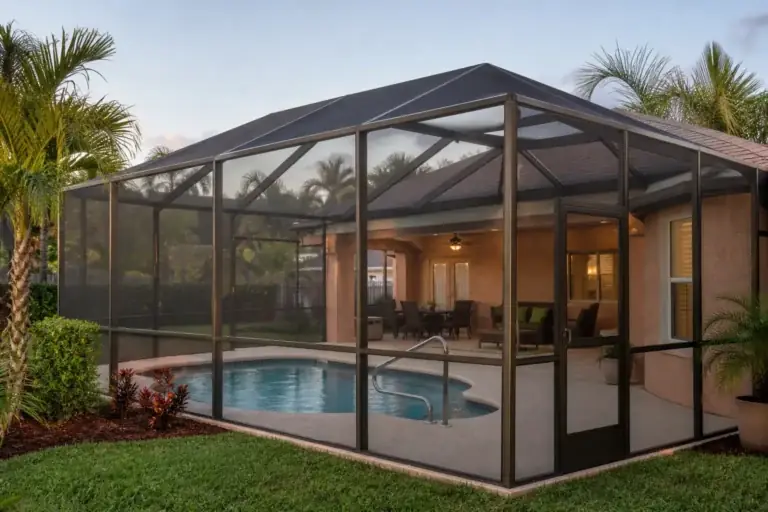
Myth 1: Standard Summer Screen Cages Can Survive Winter Snow Loads
Correction: Lightweight aluminum screen cages featuring thin mesh walls lack the structural rigidity and load capacity required to support heavy winter snow. Accumulating snow causes immediate frame collapse on standard summer patio cages. Winter environments demand rigid, solid-glazed structural enclosures.
Myth 2: Polycarbonate Enclosures Do Not Require Snow Removal
Correction: While high-quality arched polycarbonate enclosures shed snow effectively, extreme wet blizzards can still exceed weight limits if left unmanaged. Periodic snow clearing prevents structural stress and protects glazing panels. Active maintenance ensures maximum enclosure lifespan.
Environmental, Contextual, and Regional Considerations
Designing and building winter pool enclosures requires accounting for local municipal building codes and severe winter microclimates.
Local Municipal Zoning and Building Permit Approvals
Constructing rigid winter pool enclosures requires obtaining municipal building permits and passing strict structural engineering reviews. Projects often face property setback limits, maximum height restrictions, and heavy snow load building codes. Securing thorough regulatory approval protects property investments and prevents legal disputes.
Extreme Winter Microclimate Engineering Standards
Regional engineering requirements dictate minimum aluminum framing gauge and roof pitch specifications. Northern snow belt zones mandate structural enclosures engineered for heavy snow accumulation and sub-zero temperatures, while milder regions require lighter standards. Designing enclosures to local environmental codes prevents structural failure.
Strategic Architectural Conclusion
Developing high-end winter pool enclosure projects successfully requires merging heavy-duty structural engineering, multi-wall thermal glazing, and precise installation techniques. Property owners must evaluate regional snowfall volumes, framing gauges, and thermal insulation options to achieve lasting year-round aquatic excellence. Specifying heavy structural aluminum framing, multi-wall polycarbonate panels, and secure concrete anchoring guarantees long-term durability.
Achieving premier architectural distinction depends on prioritizing professional engineering oversight and rigorous winter maintenance scheduling over shortcuts. Systematic planning transforms outdoor swimming pool areas into protected, energy-efficient winter assets that enhance property value and lifestyle utility across decades of continuous operation.