How to Pool replacements on a budget through phased structural overhauls and strategic material sourcing
Residential aquatic asset management across sprawling suburban properties demands rigorous structural analysis of concrete shells, vinyl liner integrity, and subterranean hydrostatic pressure. How to Pool replacements on a budget. Property owners investigating how to Pool replacements on a budget must evaluate phased excavation timelines, material thickness standards, and localized contractor bidding strategies. Developing comprehensive capital improvement blueprints requires balancing upfront financial constraints against long-term structural durability.
Establishing an economical backyard pool renovation schedule demands evaluating local municipal permit fees, soil composition profiles, and heavy machinery rental costs before signing contractor agreements. Relying on retail contractor estimates without competitive sub-trade bidding invites inflated project expenses and unnecessary structural modifications. Proactive resource planning ensures that property upgrades satisfy stringent economic and safety standards.
Executing a successful cost-effective aquatic renovation project utilizes standardized vinyl liner replacements, targeted concrete patch repairs, and systematic subcontractor oversight. Comprehensive planning transforms standard backyard maintenance into a streamlined, highly predictable capital expenditure.
This analytical guide examines pool replacement categories, economic planning frameworks, financial resource allocation, and long-term governance protocols. Mastering these technical principles enables property owners to achieve uncompromising structural integrity and refined financial control.
Understanding “How to Pool replacements on a budget” Financial Criteria
Economic Sourcing and Material Cost Efficiency
Executing evaluations when property owners search for how to Pool replacements on a budget requires analyzing how material procurement channels dictate overall project expenses. Retail aquatic suppliers charge steep markups for pre-packaged renovation bundles, whereas wholesale distributors offer direct pricing on vinyl sheets and filtration pumps. Implementing direct-sourcing strategies ensures long-term financial savings and project efficiency.
Labor Allocation and Subcontractor Bidding
Assessing how general contractor markups inflate project costs explains why direct subcontractor management dictates overall savings. Unskilled coordination requires patience and precision to avoid scheduling delays or code violations. Specifying structured workflow phases prevents costly mistakes and accelerates task completion.
Deep Contextual Background
Historical Evolution of Residential Pool Restorations
For decades, early American homeowners relied on total concrete shell demolition and complete excavation whenever an old swimming pool suffered structural cracking or liner failure. Early builders lacked modern polymer patching compounds and heavy-duty drop-in vinyl liners, resulting in prohibitive renovation costs and frequent property abandonment. Modern manufacturing innovations introduced affordable modular wall panels and high-tensile vinyl materials that revolutionized backyard aquatic restoration.
Transition from Total Demolition to Targeted Phased Overhauls
Economic shifts propelled the transition from expensive total pool reconstruction to structured phased renovation strategies deployed nationwide. Modern property owners integrate partial resurfacing with targeted equipment upgrades. Adopting systematic planning ensures maximum financial economy.
Conceptual Frameworks and Mental Models
The Capital Allocation and Material Longevity Model
Analyzing how different aquatic replacement materials balance upfront expense and weather durability helps identify optimal purchasing configurations for specific project budgets. When operating on restricted funds, standard 20-mil vinyl liners provide adequate performance at minimal cost. Tracing complete project expenditures across all phases eliminates hidden financial surprises.
The Structural Integrity and Subgrade Drainage Framework
Evaluating how subterranean groundwater pressure impacts empty pool shells highlights the need for careful hydrostatic valve inspection before draining pools for replacement. Overlooking faulty relief valves ruins newly installed vinyl liners due to groundwater uplift. Designing around existing sound subgrade drainage preserves capital.
Key Categories of Budget Aquatic Restorations
Standard Vinyl Liner Replacements
Constructing budget-friendly pool overhauls using standard 20-mil vinyl liners allows property owners to refresh worn aquatic basins at minimal material cost. Standard vinyl offers excellent surface smoothness and clean aesthetics. These economical materials provide reliable multi-season water containment.
Heavy-Duty Thickness Liner Upgrades
Erecting durable pool renovations using 27-mil or thicker vinyl membranes provides puncture-resistant protection against claws, debris, and heavy bather use. Thicker liners cost slightly more upfront but eliminate recurring replacement expenses. These tough materials offer exceptional longevity.
Fiberglass Insert Pool Shell Retrofits
Building specialized aquatic upgrades utilizing drop-in fiberglass inserts expands structural life within existing excavated concrete basins. Fiberglass shells require precise crane rigging and backfill compaction. These installations provide smooth, non-porous surfaces.
Concrete Resurfacing and Plaster Patching
Erecting targeted plaster patches and epoxy injections repairs minor shell cracks without requiring full pool demolition. Plaster resurfacing reduces capital expenses significantly compared to complete excavation. These functional repairs restore watertight integrity.
Modular Steel Wall Panel Reinforcements
Installing heavy-duty steel wall braces allows property owners to reconstruct decaying inground pool perimeters without complete structural removal. Modular panels require precise bolting and concrete collar pours. These kits provide total stabilization control.
Variable-Speed Pump and Filter Retrofits
Building efficient filtration systems using modern variable-speed pumps lowers daily operational electricity consumption drastically. Energy-efficient pumps qualify for local utility rebates. These versatile components reduce ongoing utility expenses.
Detailed Real-World Scenarios How to Pool replacements on a budget
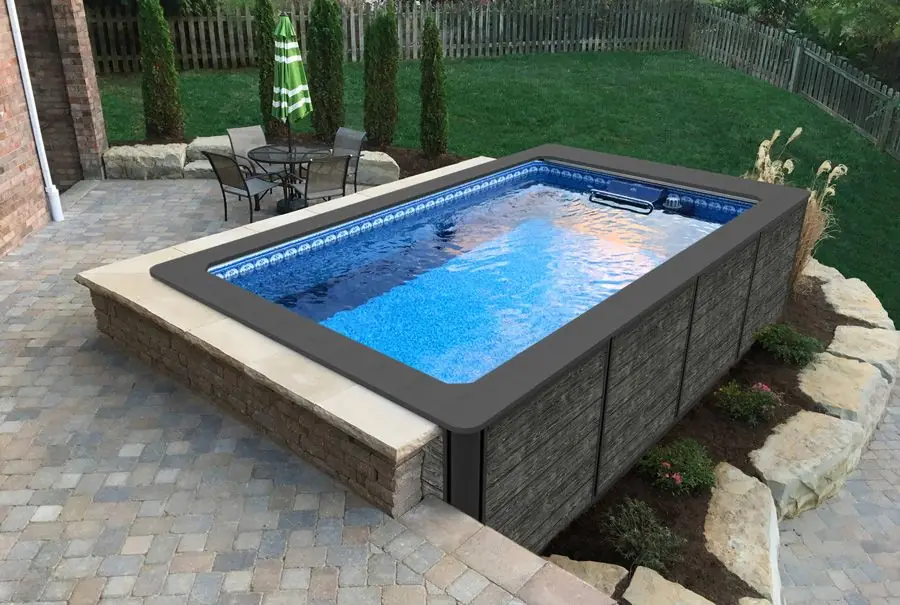
Scenario A: Suburban Homeowner Replacing Worn Vinyl Liner on Restricted Funds
A residential property owner faces complete liner failure and wall rust prior to the summer swimming season. The owner purchases a standard 20-mil replacement liner directly from a wholesale distributor. Systematic measurement and DIY wall prep reduces total project expenses by half compared to full-service contractor quotes.
Scenario B: Estate Owner Repairing Concrete Cracks Without Full Excavation
A suburban resident struggles with progressive water loss in an aging concrete swimming pool. The homeowner invests in professional epoxy crack injection and targeted plaster patching rather than total shell demolition. The durable repair stops leaks, eliminating massive reconstruction costs.
Scenario C: Energy-Conscious Property Owner Reducing Summer Filtration Costs
A residential homeowner seeks economical ways to lower high summer pool pump electricity bills. The builder installs a modern variable-speed pump and cartridge filter system. The affordable upgrade reduces daily operating energy draw and lowers monthly utility expenses.
Financial Dynamics, Cost, and Resource Planning
Budgeting for pool replacement projects requires balancing material acquisition outlays against potential labor savings.
| Budget Allocation Category | Share Percentage | Primary Cost Drivers | Cost Control Strategy |
| Bulk Vinyl Liners or Shells | 40% – 50% | Membrane Rolls, Insert Shells | Purchase wholesale through trade channels. |
| Subcontractor Labor | 25% – 30% | Excavation, Plumbing, Rigging | Hire independent certified technicians. |
| Specialized Tool Rentals | 10% – 15% | Heavy Pumps, Tampers, Cranes | Rent equipment for short durations only. |
| Contingency and Drainage Fund | 10% – 15% | Hydrostatic Relief, Soil Settling | Calculate exact subgrade reserves. |
Direct Material Costs Versus Professional Service Fees
Investing in direct-sourced aquatic materials and executing project management independently reduces total renovation costs significantly. Selecting full-service turnkey contractor replacement results in high administrative markups. Allocating personal oversight for project execution guarantees maximum financial economy.
Multi-Year Capital Reserve and Maintenance Planning
Calculating multi-year pool upkeep expenses involves combining periodic water chemistry balancing, seasonal cover usage, and equipment servicing. Proactive financial planning prevents emergency repair costs from disrupting household budgets. Establishing a dedicated maintenance calendar guarantees optimal resource timing.
Tools, Strategies, and Support Systems
Deploying specialized submersible pumps, seam rollers, and laser transits ensures precise execution of budget pool replacements.
High-Capacity Submersible Water Pumps
Deploying industrial submersible pumps allows DIY renovators to drain old pool basins rapidly prior to liner removal or crack repair. Proper pumping prevents basement flooding and mud accumulation around decks. Using quality pumps guarantees drainage speed.
Heavy-Duty Seam Rollers and Vacuum Units
Using powerful liner vacuum units ensures new vinyl membranes are pulled tight against pool walls and floor contours without wrinkles. Accurate vacuum suction prevents air pockets beneath liners. Proper installation guarantees professional visual results.
Precision Laser Transits and Surveying Tools
Employing accurate laser levels ensures replacement coping and wall panels remain level and properly aligned. Precise dimensions prevent structural settling issues. Accurate measuring eliminates costly construction waste.
Risk Landscape and Failure Modes How to Pool replacements on a budget
Identifying structural and material risk factors allows property owners to avoid liner blowouts, groundwater uplift, and pump cavitation.
Liner Blowouts Caused by Trapped Groundwater Pressure
Exposing empty pool basins to high water tables without operational hydrostatic relief valves causes underground pressure to lift pool floors. Lifted floors rupture vinyl liners and crack concrete shells. Maintaining open relief valves prevents catastrophic damage.
Pump Cavitation Caused by Restricted Suction Lines
Failing to clear debris from pool skimmer baskets and suction lines causes pump cavitation and motor burnout. Damaged pumps lose circulation efficiency and require costly replacement. Cleaning intake strainers regularly eliminates failure risks.
Long-Term Governance, Maintenance, and Adaptation
Following structured maintenance protocols preserves pool structure durability and ensures pristine water chemistry across changing seasons.
Specialized Seasonal Inspection and Cleaning Protocols
Washing pool tile lines semi-annually with specialized cleaners removes scale and organic buildup. Inspecting pool equipment pads and pump seals semi-annually ensures circulation remains intact. Keeping maintenance logs tracks completed service.
Preventive Maintenance and Inspection Checklist
Executing regular technical inspections keeps budget pool replacements working reliably:
-
Spring Pool Opening Audit:
-
Inspecting all pool walls, liners, and coping stones for winter damage.
-
Verifying secure electrical grounding and pump operation.
-
-
Summer Chemistry Review:
-
Testing water pH, alkalinity, and sanitizer levels weekly.
-
Checking skimmer baskets and filter pressure gauges.
-
-
Autumn Closing and Winterization:
-
Lowering water levels below skimmers and blowing out lines.
-
Securing heavy-duty winter safety covers tightly.
-
Measurement, Tracking, and Evaluation Metrics
Tracking maintenance intervals, material expenses, and project durability records provides objective data regarding cost-saving effectiveness.
Leading and Lagging Performance Indicators
Leading indicators track scheduled semi-annual water testing, equipment filter cleanings, and preventative maintenance spending. Maintaining structured records ensures home maintenance operations run without unexpected expenses. Tracking equipment warranties prevents unsupported purchases.
Lagging indicators evaluate annual repair savings, total energy efficiency gains, and overall pool longevity over time. Monitoring total expenditure reductions confirms whether budget replacement strategies delivered expected value. Measuring structural integrity confirms project success.
Technical Pool Replacement Audit Guidelines
Executing technical quality checks during and after project execution ensures structural safety and durability:
-
Liner Fit Verification: Checking that vinyl membranes remain taut and free of wrinkles.
-
Water Balance Inspection: Ensuring chemical parameters remain within safe bather ranges.
-
Equipment Flow Audit: Confirming all return jets and main drains provide strong circulation.
-
Deck Safety Check: Verifying concrete pool decks remain uncracked and trip-free.
Common Misconceptions and Technical Myths How to Pool replacements on a budget
Correcting widespread industry myths helps property owners make informed decisions based on practical economic facts.
Myth 1: Budget Pool Replacements Always Require Total Excavation
Correction: Modern aquatic renovation techniques permit vinyl liner swaps, concrete crack injections, and wall reinforcements without requiring complete shell removal or excavation. Proper engineering assessment ensures long-term performance. Advanced manufacturing guarantees value.
Myth 2: Professional General Contractors Are Always Necessary for Pool Renovations
Correction: With careful subcontractor management, direct material sourcing, and structured scheduling, property owners can achieve professional-grade pool replacements at a fraction of turnkey service costs. Systematic planning ensures flawless execution. Regular maintenance guarantees maximum asset lifespan.
Environmental, Contextual, and Regional Considerations
Designing and planning budget pool replacements requires accounting for local climate exposure and environmental wear factors.
Local Climate Extremes and Material Selection
Regional environmental factors dictate pool material selection based on local freeze-thaw cycles, soil expansion, and UV intensity. Northern installations mandate winterization protocols to prevent pipe freezing, while southern sites benefit from high-UV-resistant vinyl liners. Tailoring materials to local climates ensures longevity.
Municipal Property Guidelines and Fencing Regulations
Replacing backyard swimming pools in restricted residential communities requires complying with local municipal safety fencing and barrier ordinances. Selecting compliant self-latching gates ensures code compliance. Securing proper permits prevents costly fines.
Strategic Architectural Conclusion
Developing successful budget pool replacement projects successfully requires merging direct material sourcing, precise subcontractor coordination, and systematic installation workflows. Property owners must evaluate regional climate demands, structural integrity ratings, and financial constraints to achieve lasting value and utility. Specifying quality bulk supplies guarantees long-term operational excellence.
Achieving premier property maintenance distinction depends on prioritizing structured planning over expensive turnkey contractor services. Systematic pool replacement transforms standard home upkeep into an efficient, highly predictable financial operation that preserves property value and lifestyle utility across decades of continuous operation.