How To Reduce Wind Damage To Pool Enclosures Using Structural Gussets
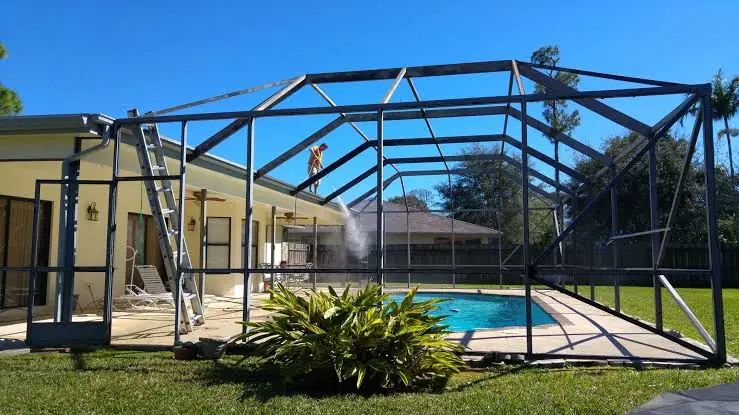
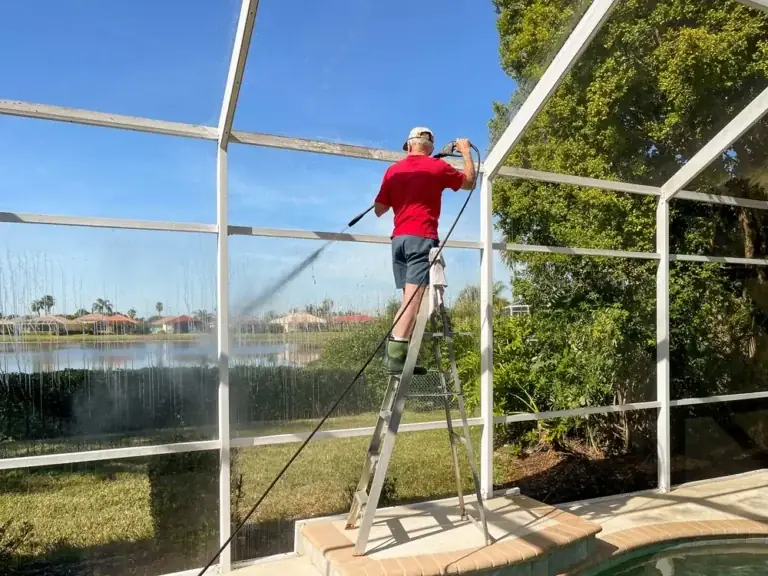
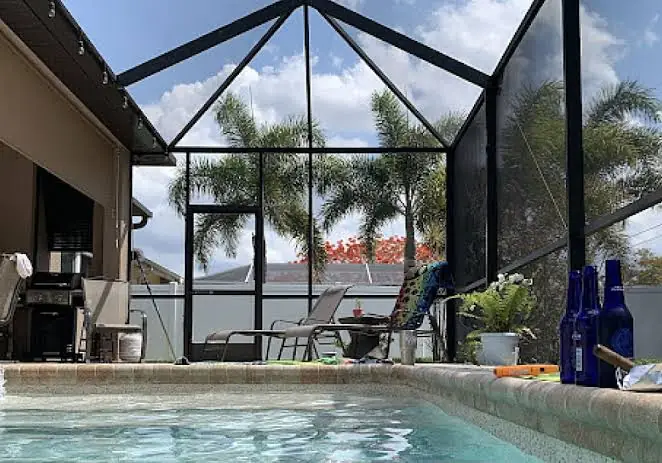
Protecting residential patio structures against severe atmospheric gales requires examining wind load aerodynamics, aluminum extrusion wall thickness, and foundation anchor strength. Property owners investigating how to reduce wind damage to pool enclosures must analyze negative pressure uplift, vortex shedding, and mesh porosity limits. Developing comprehensive storm resilience strategies involves balancing open-air pressure relief against rigid structural bracing.
Establishing a premier wind mitigation blueprint demands evaluating local hurricane wind speeds, concrete deck anchor integrity, and gusset reinforcement layouts before seasonal storm systems form. Relying on solid glass panels or airtight solid roofs inside a pool cage creates massive sail effects that invite catastrophic structural collapse. Proactive engineering oversight ensures that wind flows through screen mesh freely without exerting excessive lateral torque on aluminum beams.
Executing a successful wind resistance project utilizes heavy-duty corner gussets, concrete wedge anchors, and modular wind-vent panels. Comprehensive planning transforms vulnerable outdoor enclosures into resilient architectural assets that withstand severe seasonal gales.
This analytical guide examines wind mitigation categories, engineering design frameworks, financial resource planning, and long-term governance protocols. Mastering these technical principles enables property owners to achieve uncompromising structural safety and maximum storm resistance.
Understanding “How To Reduce Wind Damage To Pool Enclosures” Structural Criteria
Aerodynamic Drag and Screen Mesh Porosity Dynamics
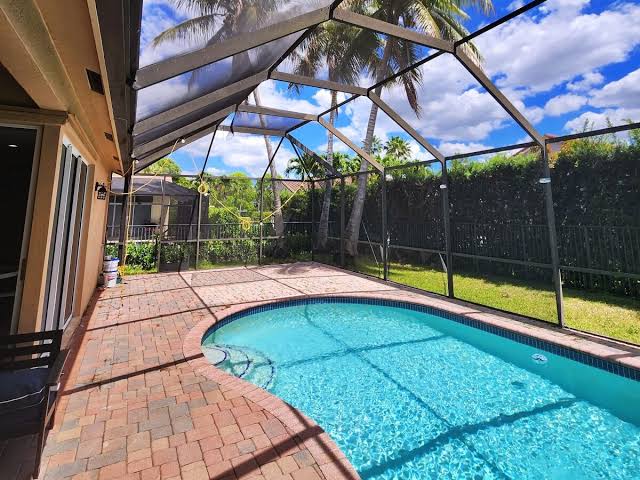
Executing evaluations when property owners study how to reduce wind damage to pool enclosures requires analyzing how high-velocity gales interact with fine fiberglass and polyester screen weave. Standard mesh acts as a semi-permeable filter that lets sixty percent of wind pass while redirecting forty percent against aluminum framing members. Implementing high-porosity screen panels reduces total wind drag significantly.
Negative Pressure Uplift and Roof Gable Mechanics
Assessing how high winds rush over flat enclosure roofs creates dangerous upward suction forces that pull concrete anchor bolts from deck footings. Gable roof designs deflect upward aerodynamic lift much more effectively than flat roof structures. Specifying sloped roof geometry prevents devastating roof uplift.
Deep Contextual Background
Historical Evolution of Swimming Pool Enclosure Wind Engineering
For decades, early residential patio enclosure construction utilized thin-gauge aluminum extrusions and weak steel screws that failed under moderate tropical storm winds. Early builders lacked computer-aided wind load modeling and reinforced corner gussets, resulting in widespread structural collapses. Modern manufacturing innovations introduced thick-walled structural aluminum and rigorous building codes that revolutionized enclosure wind resistance.
Transition from Reactive Storm Repairs to Proactive Engineering
Engineering advancements propelled the transition from emergency post-storm rebuilding to proactive, wind-resistant structural design implemented nationwide. Modern property management protocols integrate certified anchor reinforcement and heavy-duty corner bracing before hurricane season begins. Adopting disciplined structural upgrades ensures long-term safety and regulatory compliance.
Conceptual Frameworks and Mental Models
The Wind Shear and Bending Moment Model
Analyzing how horizontal wind forces create maximum bending moments at vertical wall bases helps identify critical reinforcement zones. When gales strike side walls, base plates experience intense rotational torque. Tracing complete load paths across aluminum framing eliminates structural failure points.
The Pressure Equalization and Venting Framework
Evaluating how trapped interior air increases bursting pressure during severe storms highlights the need for active pressure relief strategies. Overcoming explosive internal pressure requires installing removable wind-vent panels or louvered roof sections. Designing for pressure equalization preserves structural integrity.
Key Categories of Wind Mitigation Systems
Heavy-Duty Aluminum Corner Gussets
Constructing reinforced corner connections utilizing heavy-duty cast aluminum gussets prevents framing joints from twisting under lateral wind loads. Gussets bolt securely across beam corners to distribute stress evenly. These structural additions increase frame rigidity.
Concrete Deck Wedge Anchors
Erecting high-strength stainless steel wedge anchors through aluminum base plates into thick concrete footings secures the entire structure against uplift. Proper anchoring prevents base plates from pulling loose during gales. Such installations require hammer drills.
Wind-Venting Screen Panels
Installing specialized blowout screen panels or zippered upper wall flaps allows heavy wind pressure to escape instantly during severe storms. Venting prevents the enclosure cage from acting like a solid solid sail. These panels reduce total wind drag.
Vertical Beam Stiffeners and I-Beams
Building interior structural reinforcement by inserting heavy-gauge aluminum I-beam stiffeners inside standard hollow posts increases load-bearing capacity. Stiffeners prevent wall buckling under extreme wind pressure. These upgrades protect high-wind zones.
Stainless Steel Cable Cross-Bracing
Installing high-tensile stainless steel cable cross-bracing across large wall spans restrains lateral frame movement during severe atmospheric gales. Cable braces maintain square frame alignment without obstructing views. Proper tensioning guarantees stability.
Impact-Resistant Composite Roof Panels
Erecting reinforced composite roof sections over specific patio zones provides rigid protection against flying debris while maintaining overall enclosure flexibility. Composite panels resist puncture damage from falling tree branches. These durable elements enhance safety.
Comparative Wind Mitigation System Analysis
Evaluating wind mitigation categories highlights critical trade-offs in structural impact, installation complexity, and initial financial outlay.
| Wind Mitigation Category | Structural Impact | Installation Complexity | Initial Financial Outlay | Maintenance Demand |
| Heavy-Duty Corner Gussets | High | Moderate | Moderate | Low |
| Concrete Wedge Anchors | Exceptional | High | High | Low |
| Wind-Venting Panels | Moderate | Low | Low | Moderate |
| Aluminum I-Beam Stiffeners | High | High | High | Low |
| Stainless Steel Cable Braces | Moderate | Moderate | Moderate | Low |
Systematic Selection Logic for Property Owners
Selecting optimal wind mitigation strategies requires following a logical decision sequence based on regional wind speeds and inspection findings:
-
Evaluate Regional Wind Zone and Structural Exposure:
-
Specify high-strength wedge anchors and heavy-duty corner gussets for coastal hurricane zones.
-
Select wind-venting screen panels for inland areas subject to sudden convective gales.
-
-
Determine Budget Allocation and Engineering Requirements:
-
Choose professional structural engineers for installing internal I-beam stiffeners on large enclosures.
-
Opt for DIY stainless steel cable cross-bracing to reinforce mid-sized patio cages affordably.
-
Detailed Real-World Scenarios How To Reduce Wind Damage To Pool Enclosures
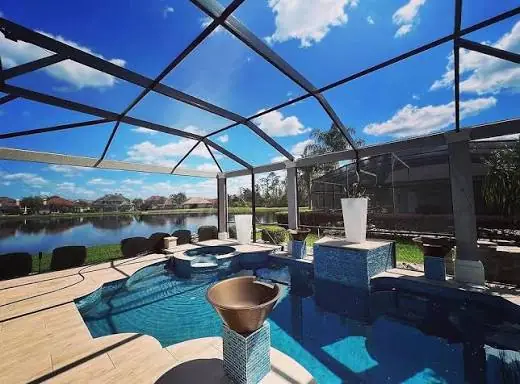
Scenario A: Coastal Enclosure Retrofitted with Heavy Wedge Anchors
A residential pool cage located in a high-velocity wind zone suffers minor frame twisting during seasonal tropical storms. The property owner hires a certified aluminum contractor to replace standard concrete screws with high-tensile stainless steel wedge anchors and heavy corner gussets. The reinforced base structure successfully withstands subsequent major gales without damage.
Scenario B: Inland Pool Cage Utilizing Wind-Venting Panels
An inland estate pool enclosure experiences intense pressure buildup during severe thunderstorm squalls, popping screen spline and straining roof beams. The owner installs specialized zippered wind-vent panels along the upper gable walls. Pressure equalization prevents further screen blowouts during heavy winds.
Scenario C: Large Commercial-Scale Enclosure Requiring I-Beam Stiffeners
A massive residential pool enclosure features expansive open wall spans that flex dangerously under high-velocity wind loads. The engineering team installs internal heavy-gauge aluminum I-beam stiffeners into key vertical posts. The structural upgrade eliminates dangerous wall flexing and ensures full code compliance.
Financial Dynamics, Cost, and Resource Planning
Budgeting for wind damage reduction requires balancing hardware acquisition costs against potential storm repair bills.
| Budget Allocation Category | Share Percentage | Primary Cost Drivers | Cost Control Strategy |
| Structural Engineering Audit | 10% – 15% | Wind Load Analysis, Inspection Fees | Hire certified local structural engineers. |
| Heavy-Duty Hardware Supplies | 40% – 50% | Gussets, Wedge Anchors, Cables | Purchase commercial-grade bulk hardware. |
| Professional Installation Labor | 25% – 30% | Welding, Core Drilling, Bracing | Limit contractor scope to critical joints. |
| Storm Preparation Contingency | 15% – 20% | Emergency Supplies, Panel Storage | Maintain a dedicated reserve fund. |
Direct Hardware Costs Versus Storm Damage Losses
Investing in heavy-duty corner gussets and concrete wedge anchors prevents catastrophic structural collapse and expensive full enclosure replacements. Neglecting wind mitigation invites total asset destruction during major weather events. Allocating adequate capital upfront for structural reinforcement guarantees financial security.
Ten-Year Capital Reserve and Maintenance Allocation
Calculating ten-year ownership expenses involves combining annual hardware inspections, anchor torque checks, and periodic bracing maintenance funds. Proactive financial planning prevents unexpected storm damage from disrupting household cash flow. Establishing a dedicated mitigation fund guarantees resources for timely upgrades.
Tools, Strategies, and Support Systems How To Reduce Wind Damage To Pool Enclosures
Deploying specialized hammer drills, torque wrenches, and riveting tools ensures secure installation of wind mitigation hardware.
Heavy-Duty Rotary Hammer Drills and Masonry Bits
Deploying professional rotary hammer drills allows installers to bore precise holes into thick concrete pool decks for heavy-duty wedge anchors. Proper drilling depth ensures maximum anchor holding strength. Using industrial bits guarantees clean installation.
Torque Wrenches and Socket Sets
Using calibrated torque wrenches ensures concrete wedge anchors and aluminum gusset bolts are tightened to exact manufacturer specifications. Precise torque application prevents stripped threads and loose structural joints. Accurate fastening guarantees maximum load capacity.
High-Capacity Rivet Guns and Structural Rivets
Employing pneumatic rivet guns allows operators to secure aluminum corner gussets and joining plates rapidly. Structural rivets provide strong mechanical connections without requiring complex welding. Proper riveting maintains frame rigidity.
Risk Landscape and Failure Modes
Identifying structural and environmental risk factors allows property owners to avoid anchor pullout, frame buckling, and connector shear.
Concrete Anchor Pullout Caused by Edge Cracking
Exposing concrete deck anchors installed too close to slab edges to intense wind uplift causes concrete fracturing and anchor failure. Unstable footings allow entire wall posts to tear free during gales. Installing anchors with proper edge clearance prevents pullout.
Aluminum Extrusion Buckling Under Asymmetric Wind Loads
Failing to reinforce long unsupported wall spans causes hollow aluminum posts to buckle inward or outward under severe wind shear. Buckled extrusions ruin the structural integrity of the entire cage. Installing internal stiffeners eliminates buckling risks.
Long-Term Governance, Maintenance, and Adaptation
Following structured maintenance protocols preserves wind mitigation hardware performance and keeps enclosures secure across changing storm seasons.
Specialized Seasonal Inspection and Hardware Protocols
Inspecting all base plate wedge anchors and corner gusset bolts semi-annually ensures hardware remains tight and uncorroded. Checking cable cross-braces for proper tension before hurricane season guarantees structural readiness. Keeping maintenance logs tracks completed upgrades.
Preventive Maintenance and Inspection Checklist
Executing regular technical inspections keeps wind mitigation systems working reliably:
-
Spring Pre-Storm Anchor Audit:
-
Checking all concrete wedge anchors for tightness and corrosion.
-
Inspecting corner gussets and joining plates for stress cracks.
-
-
Summer Bracing and Cable Review:
-
Verifying stainless steel cable cross-braces maintain proper tension.
-
Examining screen mesh integrity and wind-vent zipper operation.
-
-
Autumn Post-Storm Evaluation:
-
Inspecting framing alignment and base plate stability following severe gales.
-
Clearing organic debris from drainage channels and wind vents.
-
Measurement, Tracking, and Evaluation Metrics How To Reduce Wind Damage To Pool Enclosures
Tracking hardware inspection logs, torque verifications, and storm performance records provides objective data regarding wind mitigation effectiveness.
Leading and Lagging Performance Indicators
Leading indicators track scheduled bi-annual anchor audits, hardware torque checks, and structural reinforcement spending. Maintaining structured maintenance records ensures tasks are completed before storm season arrives. Tracking manufacturer load ratings prevents unsupported hardware usage.
Lagging indicators evaluate storm damage repair costs, post-storm structural stability, and enclosure longevity over time. Monitoring total mitigation spending confirms whether structural upgrades delivered expected financial protection. Measuring cage survival confirms engineering success.
Technical Enclosure Audit Guidelines
Executing technical quality checks during and after wind mitigation upgrades ensures structural safety and durability:
-
Anchor Torque Verification: Checking that all concrete wedge anchors meet specified torque requirements.
-
Gusset Security Audit: Confirming all corner gussets and joining bolts remain snug and flush.
-
Cable Tension Check: Verifying cross-brace cables show zero slack and secure end fittings.
-
Frame Alignment Review: Confirming vertical wall posts remain plumb and square without warping.
Common Misconceptions and Technical Myths
Correcting widespread industry myths helps property owners make informed decisions based on practical engineering facts.
Myth 1: Leaving All Enclosure Doors Open Prevents Wind Damage During Hurricanes
Correction: Opening doors allows chaotic wind currents to rush inside, creating internal pressurization that lifts the roof structure and blows out side screens. Enclosed pool cages rely on balanced mesh porosity and structural venting rather than open doors. Proper venting prevents structural failure.
Myth 2: Standard Concrete Expansion Screws Hold Up Equally Well Against Hurricane Uplift
Correction: Standard light-duty masonry screws snap or pull out of concrete pool decks under severe upward wind suction. Hurricane wind mitigation mandates heavy-duty stainless steel wedge anchors. Proper anchoring prevents catastrophic base separation.
Environmental, Contextual, and Regional Considerations
Designing and planning pool enclosure wind mitigation requires accounting for local building codes and severe regional wind zone maps.
Local Municipal Building Codes and Wind Load Requirements
Constructing major structural reinforcements or retrofitting enclosure anchors requires complying with local municipal building codes and wind load standards. Properties in coastal zones face strict engineering requirements for hurricane resistance. Securing proper permits ensures legal compliance and structural safety.
Regional Microclimate Weather Exposure and Wind Velocity
Regional environmental factors dictate wind mitigation strategies based on local terrain roughness and hurricane exposure categories. Coastal properties mandate heavy-duty wedge anchors and internal I-beam stiffeners to withstand extreme gales, while sheltered inland locations require standard gusset reinforcement. Tailoring upgrades to local climates ensures asset survival.
Strategic Architectural Conclusion
Developing high-end pool enclosure wind damage reduction strategies successfully requires merging heavy-duty corner gussets, stainless steel wedge anchors, and wind-venting screen panels. Property owners must evaluate wind load aerodynamics, concrete foundation strength, and roof gable geometry to achieve lasting storm resilience. Specifying commercial-grade hardware guarantees long-term structural integrity without failure.
Achieving premier property protection depends on prioritizing structured preventative engineering over reactive post-storm rebuilding. Systematic wind mitigation transforms vulnerable outdoor swimming pool enclosures into secure, storm-resistant assets that preserve property value and lifestyle utility across decades of continuous operation.